Trump-Blocked Offshore Wind Farm Gains Approval to Proceed
Trump-Blocked Offshore Wind Farm Gets Green Light

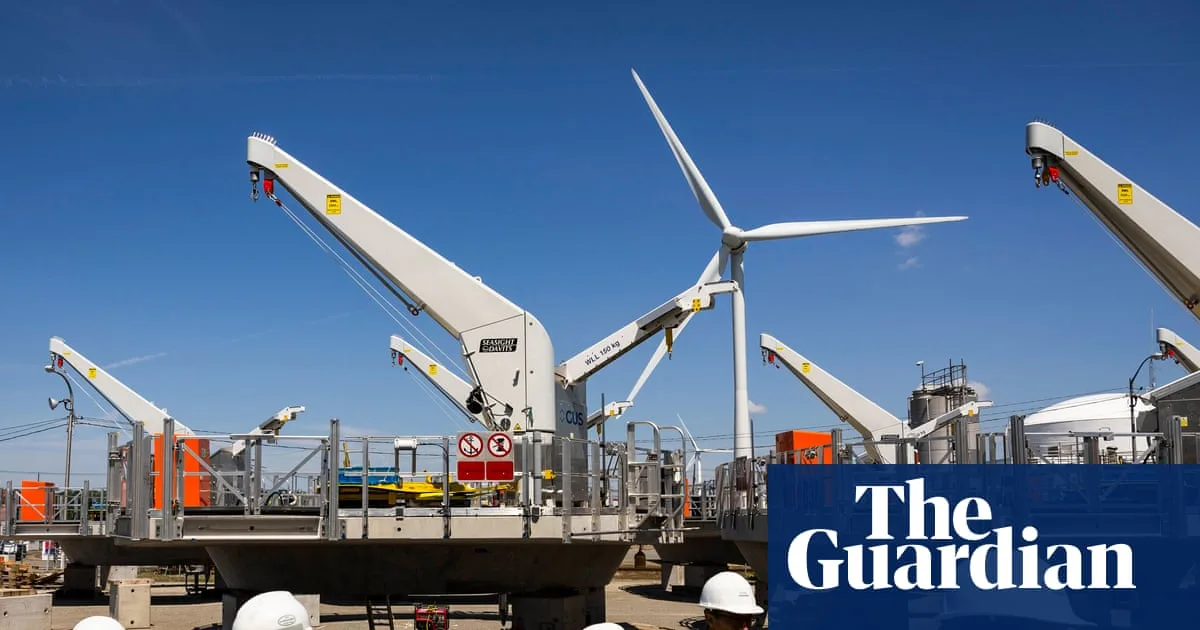
In a notable development for the renewable energy sector, a substantial offshore wind project that was previously blocked during Donald Trump's presidency has now been granted approval to proceed. This decision represents a pivotal shift in US energy policy and underscores the growing momentum behind clean energy initiatives.

Project Background and Political Context

The offshore wind project, which had been in the planning stages for several years, faced a significant setback when the Trump administration intervened to halt its progress. At the time, the move was aligned with the former president's broader scepticism towards renewable energy sources and his preference for fossil fuels. The project's suspension sparked considerable debate among environmental advocates, industry stakeholders, and policymakers regarding the future of offshore wind in the United States.

Approval Process and Regulatory Hurdles

Following the change in administration, the project underwent a thorough review process by federal agencies, including environmental assessments and public consultations. The approval to proceed comes after extensive evaluations of its potential impact on marine ecosystems, coastal communities, and existing energy infrastructure. Regulatory bodies have imposed specific conditions to ensure compliance with safety standards and environmental protections, addressing concerns raised during the earlier suspension.

Implications for the Renewable Energy Landscape

This approval is expected to have far-reaching implications for the US renewable energy market. It signals a renewed commitment to offshore wind development, which could attract significant investment and create thousands of jobs in construction, maintenance, and related sectors. Industry experts suggest that this project could serve as a catalyst for similar initiatives along the US coastline, potentially reducing reliance on non-renewable energy sources and contributing to national climate goals.

Economic and Environmental Considerations

The project is projected to generate a substantial amount of clean electricity, capable of powering hundreds of thousands of homes. Economically, it promises to boost local economies through job creation and infrastructure development, while environmentally, it aligns with efforts to cut carbon emissions and combat climate change. However, some critics have pointed to potential challenges, such as impacts on wildlife and fishing industries, which will require ongoing monitoring and mitigation strategies.

Future Outlook and Policy Shifts

Looking ahead, the progression of this offshore wind project may influence future energy policies and regulatory frameworks in the United States. It highlights the dynamic nature of energy politics, where changes in leadership can lead to significant reversals in project approvals. Stakeholders are now closely watching how this development will affect other stalled renewable energy projects and whether it will encourage bipartisan support for sustainable energy solutions.

In summary, the approval of this previously halted offshore wind project marks a critical juncture in US energy history, reflecting evolving priorities towards a greener and more sustainable future.