Lighting experts have issued guidance on how UK households should dispose of different types of light bulbs, warning that some must be wrapped in kitchen towel before being thrown away.
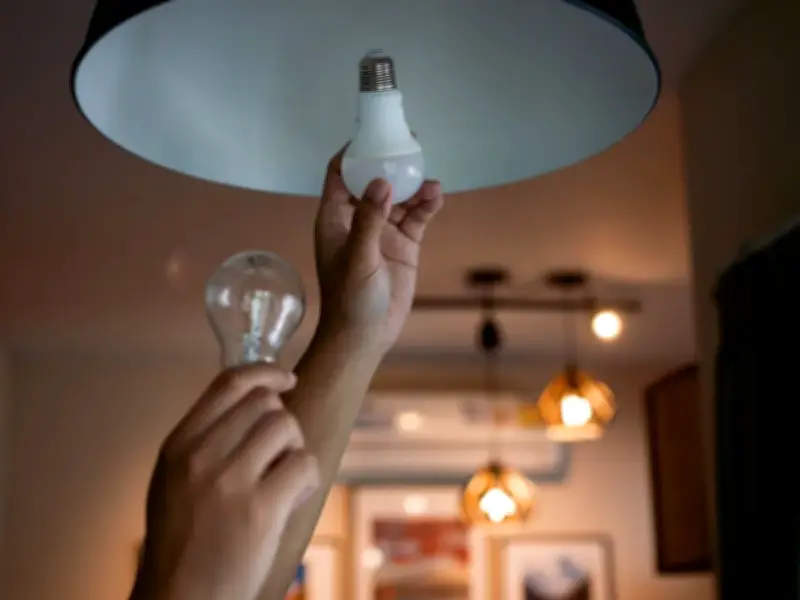
According to outdoor lighting specialists LightingLegends.com, there is no single rule that applies to all bulbs. Some can go to recycling centres, others must be treated as hazardous waste, and a few can be placed in regular bins.
Halogen and incandescent bulbs
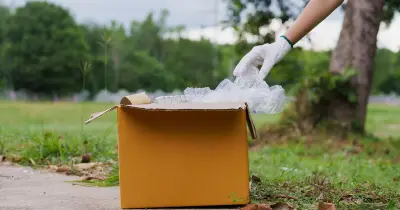
Halogen and incandescent bulbs cannot be recycled, so they must be carefully wrapped in paper or kitchen towels before being placed in the general waste bin. The wrapping is needed to prevent the bulbs from shattering inside the bin and posing a greater risk.
Jon Saeed, managing director of LightingLegends, said: "Most people don't realise there's no one-size-fits-all rule for disposing of light bulbs, so it's an easy mistake to make."
LED and fluorescent bulbs
LED bulbs can and should be recycled, but not through household recycling bins. They must be taken to a Waste Electrical and Electronic Equipment (WEEE) recycling point.
Compact fluorescent lamps (CFL) and fluorescent tubes are classified as hazardous waste because they frequently contain trace amounts of mercury. They must never be placed in household bins and should be taken to the hazardous waste section of the nearest recycling centre. The same applies to UV bulbs, which may also contain mercury.
Smart bulbs
Smart bulbs are regarded as small electrical items and contain materials that can be recycled. They can be dropped off at a local household waste recycling centre or at a retailer with a WEEE recycling point.
Saeed added: "But different areas have their own rules on light bulb disposal, so make sure to check your local council's advice before binning them. Getting it right is an easy way for households to reduce waste and their impact on the environment."