The Growing Challenge of Electronic Waste
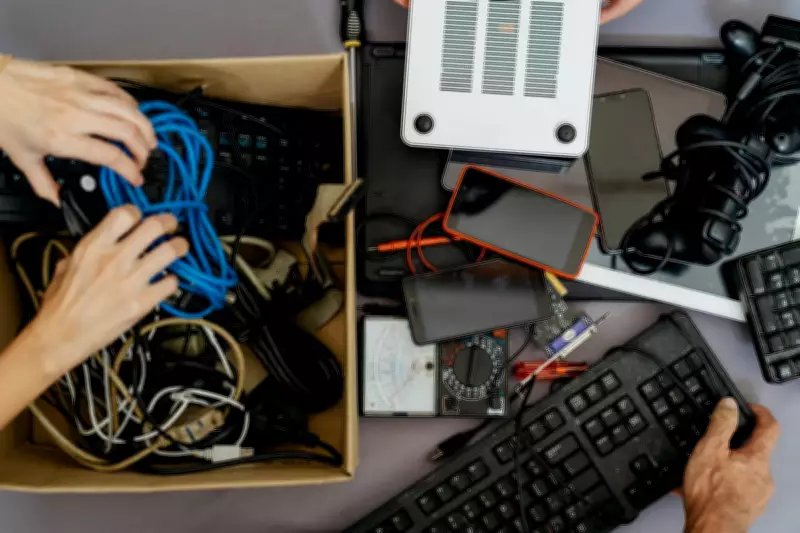
Millions of households across the UK and globally have drawers and cupboards filled with obsolete electronic devices - from outdated laptops and mobile phones to forgotten fitness trackers and tablets. This accumulation represents a significant portion of the world's electronic waste, commonly referred to as e-waste, which continues to grow at an alarming rate.
According to the most recent United Nations estimates, global e-waste reached a staggering 62 million metric tons in 2022 alone. Shockingly, only approximately 22% of this massive volume was properly recycled through appropriate channels. The Environmental Protection Agency provides similarly concerning statistics for the United States, where less than one quarter of electronic waste is recycled annually.
Why Proper E-Waste Disposal Matters
Professor Rick Neitzel from the University of Michigan's environmental health sciences department highlights the severity of the situation: "The way that we're creating and using and disposing of these devices has generated this completely unsustainable waste stream. There's no signs of that abating at all. In fact, the trend continues to accelerate."

Electronics contain numerous materials that pose environmental risks when improperly discarded in landfills. These devices often include hazardous substances such as mercury, lead, cadmium, beryllium, and arsenic, which can leach into soil and water systems if not handled correctly.
John Shegerian, founder of Electronic Recyclers International, emphasizes the dangers: "These electronics - which could and have historically ended up in our landfills or in other inappropriate places - can leak all the stuff that's contained there within. All these things are horrible if they get into our environmental ecosystem."
The Economic Value in Electronic Recycling
Beyond environmental protection, electronic recycling offers substantial economic benefits. Modern devices contain valuable materials including steel, aluminum, copper, gold, silver, various plastics, and even specialized glass components that can be recovered and reused in manufacturing processes.
Terence Musho, an associate professor of engineering at West Virginia University, explains the supply chain implications: "Improving the mineral recovery process and boosting recycling rates can help consumers in another way: It can also potentially bring down the price of your future electronics."
Experts suggest that increased consumer participation in e-waste recycling programs could eventually contribute to reduced production costs for new electronic devices, creating a financial incentive alongside environmental responsibility.
Preparing Your Devices for Recycling
Many consumers hesitate to recycle electronics due to concerns about personal data security. Experts recommend taking specific steps to protect sensitive information before disposal:
- Perform a complete factory reset rather than simply deleting files
- Follow manufacturer-specific instructions for your particular device
- Consult guidance from organizations like the Cyber Security and Infrastructure Agency
- Consider professional data destruction services for maximum security
Some recycling facilities provide additional security measures, including physical destruction of storage components with verification processes to ensure complete data elimination.
Practical Recycling Options and Programs
For devices that remain functional, several pathways exist for responsible disposal:

- Manufacturer Programs: Many electronics companies offer trade-in, buy-back, or recycling programs. Apple, for instance, provides credit toward future purchases for eligible devices and free recycling for older models.
- Retailer Services: Major retailers including Best Buy and Staples accept electronic devices of various sizes for recycling. Best Buy offers additional haul-away services for larger items like televisions and appliances.
- Charitable Organizations: Some charities, including Salvation Army and Goodwill Industries, accept functional electronics for refurbishment and redistribution to those in need.
- Local Government Facilities: While curbside collection typically excludes electronics, many municipal governments maintain dedicated drop-off locations for electronic waste.
- Mail-In Services: Companies like Amazon and Waste Management provide prepaid shipping boxes for convenient electronic waste disposal.
Professor Neitzel recommends manufacturer programs as a primary option: "The manufacturers are where we want this stuff to end up because they know their products, they know best and most efficiently how to recycle them."
Understanding Associated Costs
While many recycling options are free, some programs involve nominal fees. These might include:
- Small processing charges (typically £3-£5 per monitor)
- Weight-based fees for larger quantities
- Vehicle load charges for in-person drop-offs
- Specialized service fees for large appliances
Consumers should research specific requirements and costs through resources like Recycle Nation, which helps locate appropriate recycling facilities based on device type and location.
The collective effort to properly recycle electronic waste represents both an environmental imperative and an economic opportunity. By participating in established recycling programs, consumers contribute to reducing hazardous waste, conserving valuable resources, and potentially influencing the affordability of future electronic products.