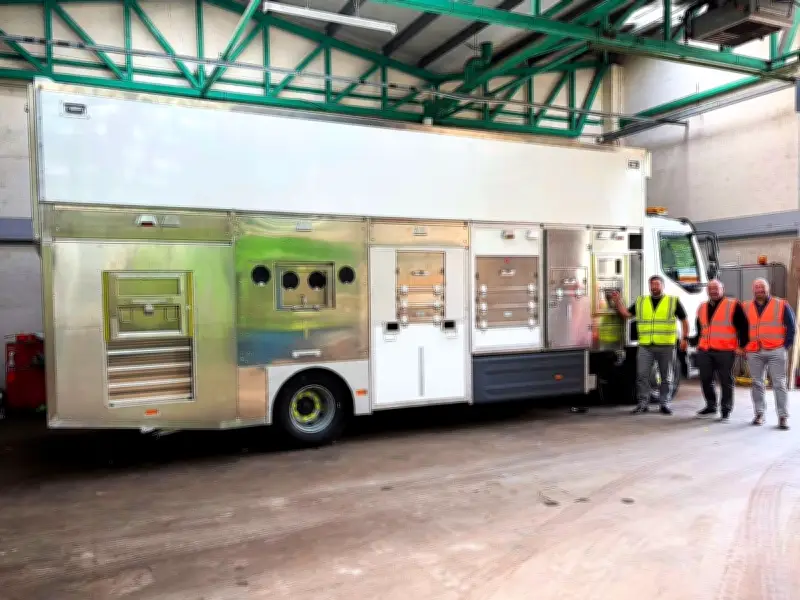
Neath Port Talbot Council has received the first of its new waste recycling vehicles, making it the only local authority in the UK to transition to a fully electric recycling fleet. The multi-million-pound scheme will replace the county's current diesel vehicles with 21 new electric vehicles partly powered by on-site solar panels and featuring larger capacity for recycling waste.
Investment and Funding
The total cost of replacing the council's recycling fleet is £7.14m, with Welsh Government providing a grant of £2.86m towards this sum. According to a council spokesman, the grant covered the difference in cost between an electric vehicle and a diesel-powered vehicle, ensuring the council did not incur additional costs in transitioning its recycling fleet to meet net zero ambitions. Further Welsh Government funding has also been secured to install renewable energy infrastructure at council depots, which will help reduce day-to-day running costs over the vehicles' lifetime.
Timeline and Impact
The first 10 electric vehicles are set to be delivered later this summer, with more arriving gradually throughout the year. Council bosses say the move will help improve air quality in the area and assist in meeting the Welsh Government's 70% minimum recycling target. The programme will replace an ageing fleet, meaning the investment was required to maintain essential recycling services regardless of vehicle type.
Cabinet member for streetscene, Cllr Scott Jones, said: “We’re very proud to be the first local authority in the UK to invest in a fully electric recycling fleet. We’ve been working proactively to make this milestone a reality.”
Additional Benefits
The new electric fleet also brings wider benefits, including improved air quality, increased capacity allowing more recycling to be collected per journey, and greater operational efficiency. The council spokesman added: “Further Welsh Government funding has also been secured to install renewable energy infrastructure at council depots, which will help reduce the day-to-day running costs of the vehicles over their lifetime.”