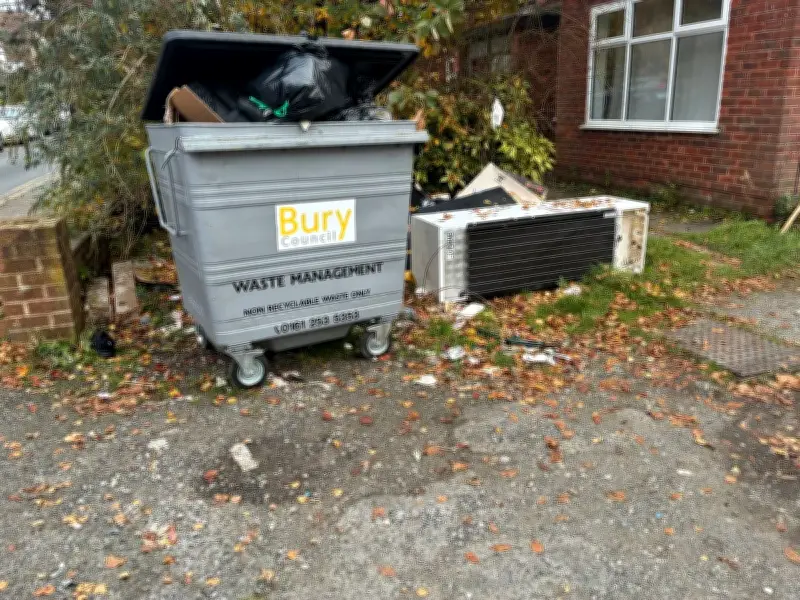
Greater Manchester councils have joined calls for national action to address a growing shortage of facilities to process and recycle old fridges and freezers, as nearly a third of town halls across the UK struggle to meet demand.
A survey of 153 councils in England by the Local Government Association (LGA) found that 29 per cent are unable to meet demand for disposal services, while a further 50 per cent are operating close to, or above, normal capacity. The findings highlight the scale of disruption caused by a national shortage of treatment facilities, leaving councils struggling to collect, store and dispose of unwanted appliances.
Local impact and backlogs
Some councils have suspended all collections, although none in Greater Manchester have done so. Wigan council reports it is booked up until late February, with 375 jobs allocated, and bulky waste collections—including fridges and freezers—have a three to four week waiting list in the borough.
Wigan's numbers pale in comparison to elsewhere in the country, where the LGA has reported backlogs of 3,000 or more appliances. Some councils have been forced to use temporary storage facilities, store fridges beyond normal operating levels, or restrict the number of appliances residents can dispose of at recycling centres.
Calls for national action
The LGA is calling for urgent national action to increase fridge and freezer treatment capacity, alongside reforms to ensure manufacturers and producers meet the full costs of disposing of their products.
A spokesperson for Greater Manchester Combined Authority said: “Recycling centres across Greater Manchester continue to accept fridges as normal. We are aware of capacity issues reported elsewhere in the country, support the Local Government Association’s call for national action, and will continue to monitor the situation closely.”
Wider pressures on councils
The LGA findings also revealed that among councils experiencing increased pressure and struggling to meet demand comfortably, 30 per cent reported an increase in fly-tipping among feedback received from residents, 34 per cent had received complaints about the lack of collections, and 27 per cent had received complaints about delays. Additionally, 46 per cent had incurred extra costs, including for transportation, storage, staffing and contractors.
Coun Jon Hubbard, Chair of the LGA Neighbourhoods Committee, said: “With thousands of appliances piling up, councils are being forced to suspend collections, find additional storage space and meet extra costs simply to manage the backlog.
“This is putting an unacceptable strain on local services and causing real frustration for residents, with some councils also reporting an increase in fly-tipping.
“Councils cannot solve a national shortage of disposal capacity on their own. We need urgent action to increase the number of facilities able to process these appliances, alongside better national coordination and reforms to ensure producers meet the full costs of recycling their products.”