
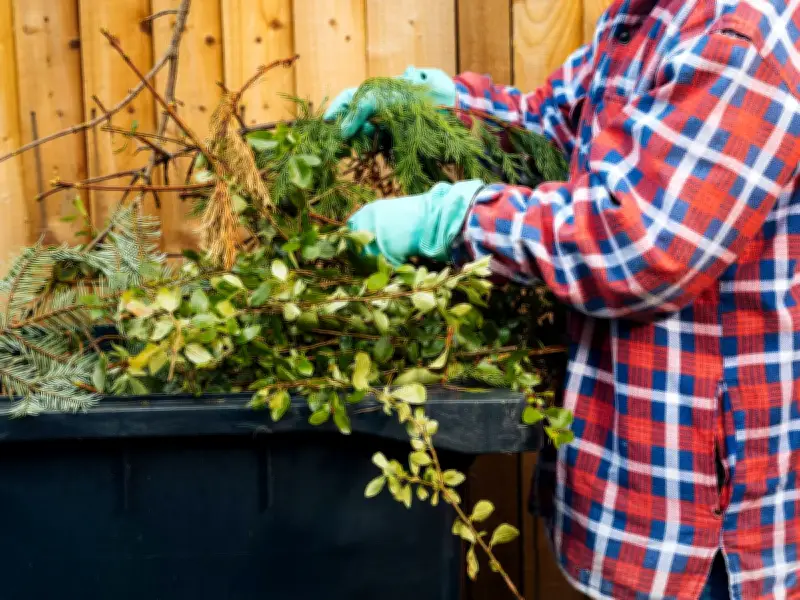
The new Simpler Recycling regulations, which came into force in April 2026, have introduced significant changes to what garden waste households can place in their recycling bins. Under these rules, several common garden items are no longer accepted for recycling, prompting confusion among residents.
Key Changes Under Simpler Recycling
These regulations, introduced under the Environment Act 2021, enforce compulsory and consistent recycling practices for businesses and households across England. Among the principal requirements are separate collections for food waste, recyclable materials, and garden waste. The scheme aims to simplify recycling, bolster sustainability, and reduce landfill waste.
However, some local authorities are exempt until at least 2040, so residents should check with their council whether these rules apply locally.
Full List of Garden Items No Longer Recyclable
According to the Government's website, the following garden waste materials no longer qualify for recycling collection:
- Animal bedding
- Bulky waste (including garden furniture and fencing)
- Garden tools or other gardening equipment
- Plant pots
- Plastic, such as plastic bottles
- Sand
- Sawdust
- Stone, gravel or bricks
- Tea bags or coffee grounds
Branches and trees over a certain size may need to be cut into smaller pieces to follow local guidance.
Additional Household Items Affected
The Government previously outlined six household kitchen products that are no longer recyclable under England's updated regulations: drinking glasses, glass cookware, ceramic crockery, cutlery, and pots and pans.
Ideal Home recently highlighted these frequently encountered items that households are likely to want to dispose of in the coming months. The changes are designed to encourage more conscious recycling habits, but many residents remain uncertain about what is acceptable.




