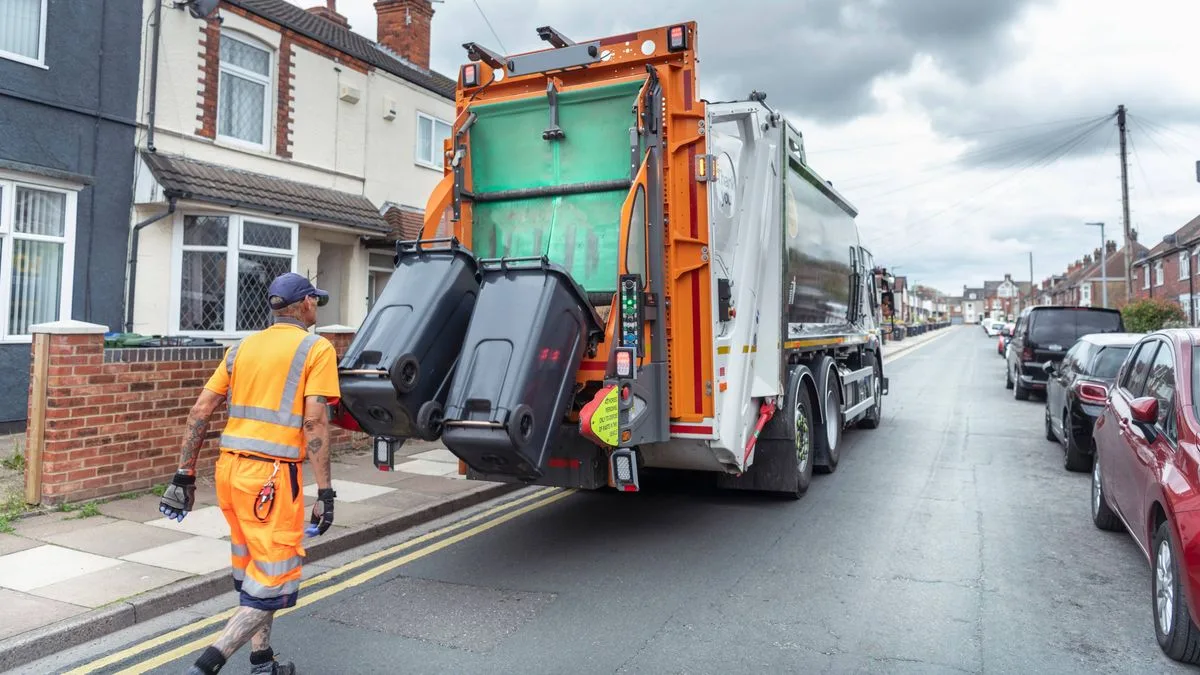
A refuse collector has issued a crucial warning to households across the country about a common item that is consistently being disposed of incorrectly: chewing gum. According to Ashley, known online as The No1 Binman, both the gum itself and its wrapper should never be placed in food waste or recycling bins, but must go in general waste instead.
The Problem with Chewing Gum
In a recent video shared on TikTok, where he has amassed over 160,000 followers, Ashley addressed a frequent query from the public regarding the proper disposal of chewing gum. Speaking directly to the camera, he explained, "What about chewing gum? Good question. Right, this one, it goes in your general waste bin if you're finished with it. It is not biodegradable, which is why you do not put it in your food waste or your compost bin."
He emphasised that chewing gum cannot break down naturally in soil or during the food waste processing, making it unsuitable for these bins. This misconception leads to contamination issues that can disrupt waste management systems.
Misconceptions About Gum Wrappers
Ashley also tackled the issue of chewing gum wrappers, which many people mistakenly believe belong in recycling bins. He clarified, "The wrapper for chewing gum is another good example. Because it's a combination of paper and aluminium, due to this mixed material, it doesn't go in the recycling bin either. It would have to go in your general waste bin."
This highlights a broader problem where packaging made from composite materials often confuses residents, leading to improper sorting that can result in entire batches of recycling being rejected.
Why Correct Disposal Matters
Binmen, or refuse operatives, play a vital role in maintaining sanitary and neat neighbourhoods by collecting and handling household rubbish. Their work involves gruelling physical labour in all weather conditions, starting early in the morning year-round. Incorrectly placed items, like chewing gum in recycling bins, can cause operational headaches, such as machinery jams or contamination that might lead to waste being left uncollected.
After rubbish is loaded into collection trucks, it is compacted to save space, but non-recyclable items can interfere with this process. Refuse operatives also manage commercial waste and separate recyclables, relying on public cooperation to ensure efficiency.
Council Guidance and Resources
Ashley urged sceptics to consult their local council websites for authoritative advice. He stated, "If you don't believe me, get on your council website. They normally have an A-Z list on there—have a little search up, and it will say on most council websites that chewing gum goes in your general waste bin."
Council sites provide clear guidelines on recyclable items, specifying that paper products like magazines and newspapers are acceptable, but plastic or metallic wrappers, common in gum packaging, must be placed in general household rubbish. This helps prevent contamination and ensures that recycling streams remain pure and processable.
Broader Implications for Waste Management
This advice underscores the importance of public education in waste disposal. Many households are likely binning chewing gum and its wrapper incorrectly, contributing to broader environmental and logistical challenges. By following proper guidelines, residents can support the efforts of essential workers and promote more effective recycling systems.
In summary, to avoid issues and support your local binmen, always dispose of chewing gum and its mixed-material wrapper in the general waste bin, not in recycling or food waste containers. Checking council resources can provide further clarity and help keep communities clean and sustainable.