Binman Ashley, known on social media as No1 Binman, has clarified where carrier bags should be placed, warning that putting them in the wrong bin could result in missed collections. He stated that while every local authority has different guidelines, most councils will not accept carrier bags in recycling bins.
Carrier Bags Belong at Supermarkets
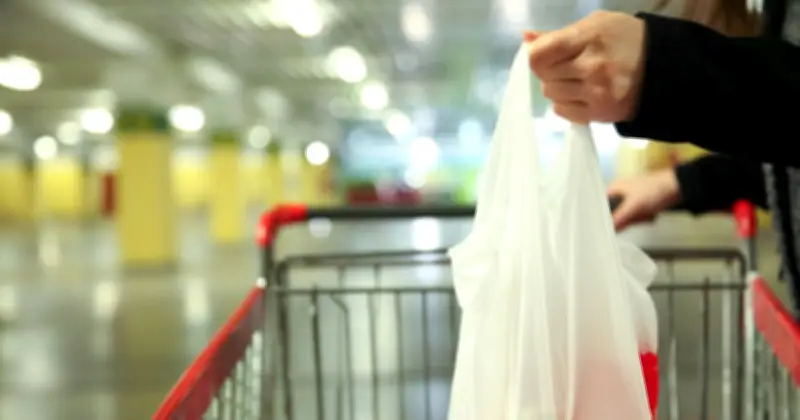
Ashley advised that carrier bags should be taken to supermarkets if residents want to recycle them. He said: "They should go to supermarkets if you want to recycle them. Reuse them, and when they rip, take them to the shops; they'll have a bin for them. They do not go in your recycling bin; that should be loose [waste], not in plastic bags."
He added: "Some councils may allow clear bags, but check with your council because most will say no."
Where to Put Carrier Bags at Home
For those who prefer to dispose of carrier bags at home, recycling is not an option. Ashley explained: "All sorts of bags can go in your general waste bin. Not in your food waste bin, unless your council says you can."
Recycle Now confirmed that plastic bags and wrapping materials can be recycled at designated household recycling points, typically located at supermarkets. All plastic bags, except biodegradable or compostable varieties, may be taken to plastic carrier bag collection facilities.
Recyclable Plastic Items
Other items that can be recycled at these points include bread bags, breakfast cereal liners, delivery bags, dry cleaning bags, frozen food bags, magazine and newspaper wrappers, multi-pack wrapping, plastic marked as low-density polyethylene (LDPE) with resin ID code 4, toilet roll wrapping, fruit and vegetable nets, and coffee pouches.
Recycle Now recommends recycling only clean plastic that contains no food waste and removing adhesive labels where possible. The organisation added: "Compostable and biodegradable bags are not designed to be recycled and if they enter the recycling system can potentially cause quality issues in the recycled material. These should be placed in your home composting bin, if you have one."