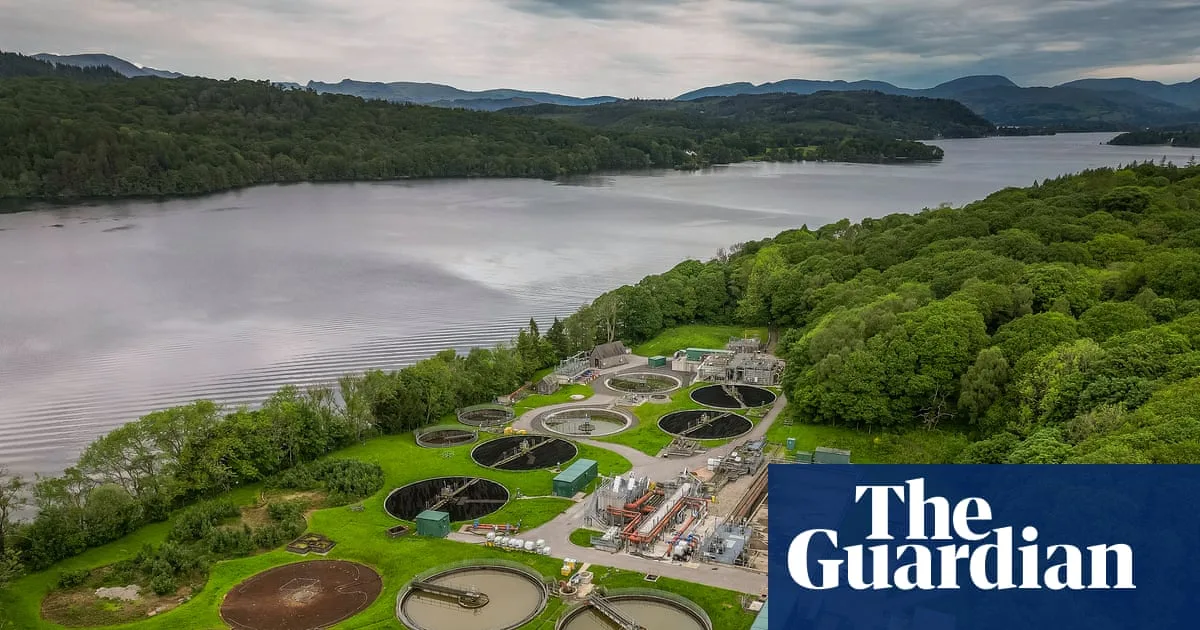
A comprehensive survey of England's largest lake has found that most of Windermere is polluted with sewage bacteria throughout the year, with levels peaking in summer. The Big Windermere Survey, involving 350 citizen scientists and over 1,000 samples over two and a half years, revealed high concentrations of Escherichia coli (E coli) and intestinal enterococci (IE) in popular tourist areas such as Ambleside and Bowness-on-Windermere.
The analysis, published on Tuesday, shows that bacteria levels in the north-west, north-east and south-west areas of the lake are consistent with poor bathing water quality during summer months. High levels of phosphorus were also found, with the north and south areas meeting only moderate standards. Under the Water Framework Directive, the government aims for at least good ecological status in all water bodies by 2027, but currently only 14% of England's rivers and lakes meet this standard.
The main sources of pollution include treated and untreated sewage discharges from United Utilities, agricultural runoff and private septic tanks. A BBC investigation previously found that United Utilities illegally dumped millions of litres of raw sewage into Windermere. The survey identified consistently high bacterial and phosphorus concentrations at several shoreline locations, including Bowness Bay, where median E coli and IE concentrations were five and seven times the lake-wide average, respectively.
Simon Johnson, executive director of the Freshwater Biological Association, which developed the testing project with Lancaster University, said the evidence must lead to decisive action to improve water quality. Environment Secretary Steve Reed has promised to clean up Windermere. Matt Staniek, founder of the Save Windermere campaign, described the results as damning and called for action from the Labour government. United Utilities stated it is committed to improving water quality and working on multiple projects to treat sewage.