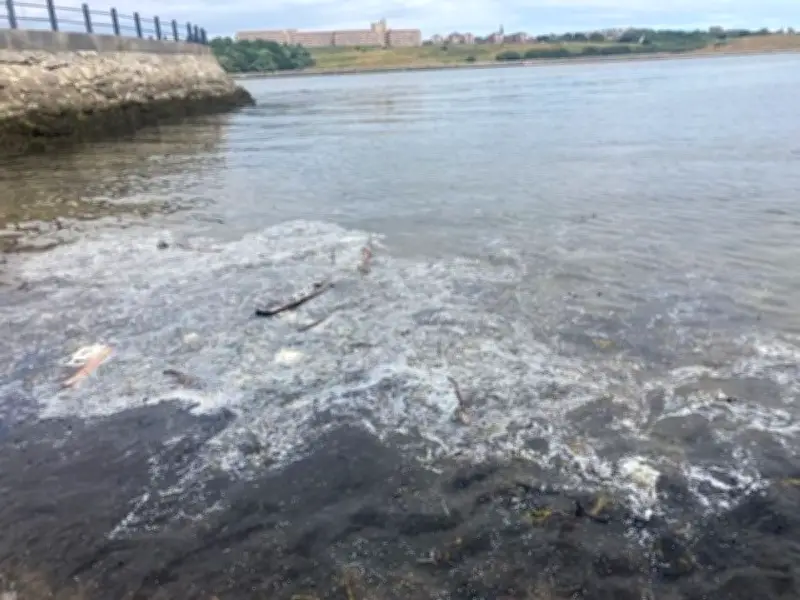
The Environment Agency says those responsible for the spillage of 'one billion nurdles' into the River Tyne will foot the bill for the clean-up. The small plastic pellets, which are used to make plastic products such as bottles, have been washing up on the region's shoreline after a collision between the Wind Orca and the BG Orange on Sunday.
Investigation underway
Port of Tyne has put a boom (floating barrier) around the BG Orange to help prevent further spills, and several boats are on the river to clear pellets. However, an estimated 25 tonnes of plastic nurdles, around one billion tiny pellets, are thought to have entered the river.
Council teams and volunteers have been attempting to clear the pellets off beaches round the clock, but more are washing up with every new tide. Environmental campaigners have voiced their concerns about the incident, as have local politicians.
Regulatory action considered
The Environment Agency is set to carry out a "thorough investigation" into Sunday's crash, and consider whether regulatory action is appropriate. A DEFRA spokesperson said that the risk to the public is low, but can pose a risk to wildlife and urged dog walkers to keep their pets on leads; as councils have done.
They said: "The North East coastline is one of the region's greatest assets, and we are deeply concerned by the significant amounts of plastic nurdles continuing to wash up on our Tyneside beaches. Our role is to provide expert technical advice on the environmental impacts of the incident and the most appropriate methods for recovering the pellets while minimising harm to people, wildlife and the wider environment.
"North Tyneside and South Tyneside councils are responsible for determining how the beach clean-ups are carried out. Under the 'polluter pays' principle, those responsible for the pollution are responsible for the costs of the clean-up.
"We will carry out a thorough investigation into the circumstances surrounding the incident to establish the facts and consider whether any regulatory action is appropriate. Although the public health risk remains low, the council advise residents and visitors not to handle any plastic pellets they may find."
While the pellets are not considered toxic, they can pose a risk to wildlife if ingested and specialist recovery methods are needed to maximise the effectiveness of the clean-up while minimising further environmental harm. Please keep dogs on leads in affected areas and continue to follow advice from local authorities.