In Iowa, water pollution poses a significant health threat while also disrupting summer recreational activities. The state's waterways, heavily impacted by agricultural runoff and sewage, present a stark example of the Midwest's broader struggle with water quality.
The Kayaker's Dilemma
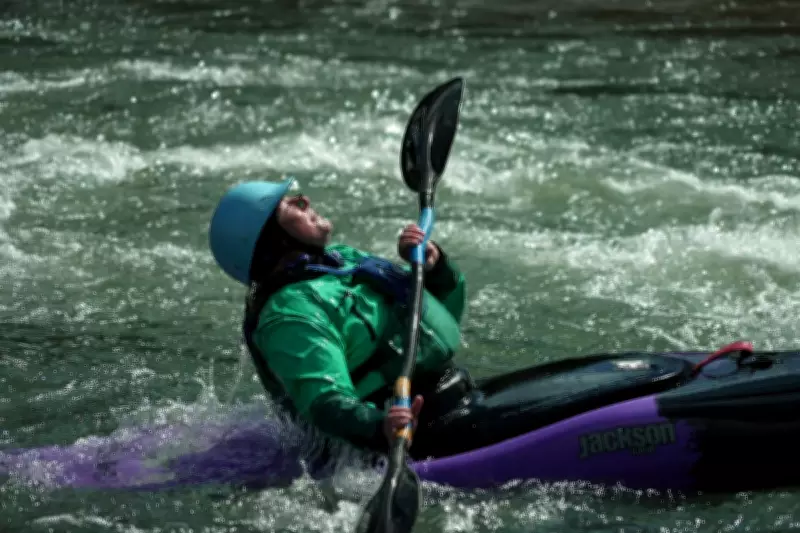
Hannah Ray J Childs, an avid whitewater kayaker, loves performing acrobatics on the Maquoketa River. However, she has fallen ill from the water and now uses nose and ear plugs to reduce risks. Many people express disgust at her hobby, with reactions like, 'Ew, that’s disgusting. Why would you do that?'
Iowa's Pollution Crisis
As a top producer of corn, soybeans, and hogs, Iowa's farms contribute nitrates and phosphorus to its dense network of streams. This runoff feeds a dead zone in the Gulf of Mexico. Last summer, Des Moines imposed water restrictions due to nitrate contamination. Algal blooms and bacteria, sometimes from human sewage, close beaches and keep teenagers out of streams. In 2024, over half of the state's monitored water bodies failed to meet standards for swimming, drinking, or aquatic life.

Policy and Legal Challenges
Iowa relies on voluntary actions and incentives rather than mandates to reduce runoff, falling short of its goals. Environmental groups recently sued the Trump administration over reversing a Biden-era requirement for Iowa to address nitrate pollution. Despite investments, including a $320 million package from Republican Governor Kim Reynolds, progress is slow. Better practices like cover crops and reduced tillage have increased, but challenges remain.
Personal Stories of Loss
Mary Swander, a former state poet laureate, recalls fond memories of swimming and canoeing but now avoids the water due to bad experiences. She notes that the loss of natural social spaces can harm community connections, especially for older adults. Bacteria from animals and human sewage, exacerbated by heavy rains and climate change, make streams inaccessible.
Lake Darling's Woes
Lake Darling, a popular recreational lake, had the worst health of any state beach in 2024, with ten weeks of E. coli advisories and six algal warnings. Despite past renovations, new hog operations in its watershed trigger algae issues. Lawrence Eyre, a local teacher, says water quality concerns deter children from swimming after tennis, dampening summer enjoyment.
Agricultural vs. Environmental Interests
Environmentalists argue the state prioritizes agriculture over clean water. In 2015, Des Moines' water utility sued counties over nitrate filtration costs, but a judge dismissed the case, deferring to the legislature. Unlike Minnesota, Iowa relies on voluntary strategies. The EPA supports this approach, emphasizing that agriculture can be part of the solution. However, farmers face rising costs and delayed returns on sustainable investments.
Local Successes and Hope
David Thoreson, a sailor, credits local wetland restoration and conservation efforts for keeping the Iowa Great Lakes healthy. He notes that these actions drive the economy and property values. Cooperation between the state and farmers is seen as essential, with mandates potentially undermining trust.
Despite the challenges, some see hope in local successes. The Associated Press receives support from the Walton Family Foundation for coverage of water and environmental policy.