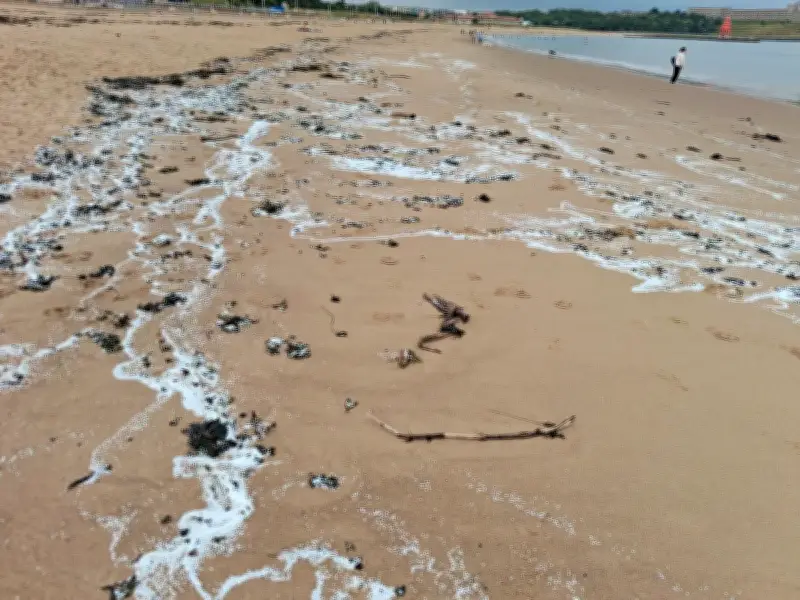
Over 1 billion small plastic beads, known as nurdles, are estimated to be littering the North East coastline following a collision in the Port of Tyne. The collision first happened on the 19th of July, with thousands of small beads now found on beaches across the region.
One shipping container containing nurdles was damaged in the incident, but as a shipping container can hold 25 tonnes of nurdles, this has led to estimates of 1 billion individual plastic pellets spilt off the North East coast. It's now estimated that millions of these pellets have washed up on the coastline.
Spread of Pollution
Initial reports showed nurdle pollution on Littlehaven beach, South Shields. However, environmental charity Fidra are now aware of pellets washing up further along the coast, including Seaburn and Roker in Sunderland. Nurdles are small, light and can float so there are worries that pollution could spread even further and put important seabird colonies such as those in Marsden Bay at risk.
We spoke to Heather McFarlane, Senior Project Manager at Fidra, who said the issue with nurdles is that "to wildlife they can look like fish eggs. This means they can be ingested by fish and by seabirds. This can lead to starvation, ulceration, and organ damage."
Health Risks and Cleanup
Dog walkers have been warned of the spill on beaches in the region. There are additional concerns about the disease plasticosis, an emerging, plastic-induced fibrotic disease. It is caused by the ingestion or inhalation of microplastics and nanoplastics, which persistently trigger chronic inflammation. This continuous damage-and-repair cycle forces the deposition of excessive scar tissue, leading to tissue deformation, organ scarring, and reduced functional capacity.
Action to clear up plastic pellets resulting from a collision at the Port of Tyne earlier this week is a “round-the-clock” operation, with council workers out until 8pm cleaning the beaches. South Tyneside Council said it was working with the Environment Agency, Maritime and Coastguard Agency, Port of Tyne and other partner organisations to assess the extent of contamination and potential environmental impacts.
The council said: "The public are advised to avoid handling the pellets and keep dogs on leads. Our priority is protecting the coastline and supporting the coordinated response being led by the relevant agencies and those responsible for the incident."
Long-Term Impact
While clean-up efforts are underway, there are concerns of the long-term impact of the spill. McFarlane continued, "These plastic pellets, once they get into the environment, they can last for years, and they can spread far and wide from the original spill site." She estimates that the plastic commonly used for nurdles could take up to 100 years to degrade naturally.
She states that "the initial focus needs to be on containment. But as we have already seen, it's already left the port, it's already got onto the coastlines and is spreading further down the coast." She added, "There was a spill in Humberside last year in 2025, and that spread as far as northern Lincolnshire, and they still find him pellets there today, so these will be in the environment for a long time. There needs to be an initial focus on containment and emergency cleanup, as well as a long-term plan for ongoing monitoring and cleanup of the ongoing pollution."
She calls on action from up the government chain, citing recent EU legislation that has improved prevention measures to reduce the likelihood of a catastrophic spill such as this from happening in the first place. "In the EU, they have brought in a regulation on plastic pellets to make it mandatory for businesses to put in place prevention measures. But we don't have any regulation here in the UK at the moment. The International Maritime Organisation has got some voluntary guidance on how to prevent plastic pellet loss on ships, but it hasn't been made mandatory yet."
Official Response
In an official statement, a representative of Fidra said: "It's devastating to see another plastic pellet spill, just over a year since the last one in the North Sea. We know that nurdles in the environment can impact local communities, fishing and tourism, as well as wildlife such as fulmars. This spill is less than 3 miles away from Marsden Bay, home to one of England's most important seabird colonies. Most pellet pollution can be prevented with simple measures like better packaging and safer stowage. We urgently need plans in place to deal with pollution, stronger UK regulation, to prevent pollution on land and mandatory measures at sea to stop spills like this in the future."
People have been advised not to handle the nurdles, but to report sightings of the pellets online at The Great Nurdle Hunt so the authorities know which areas to target.