
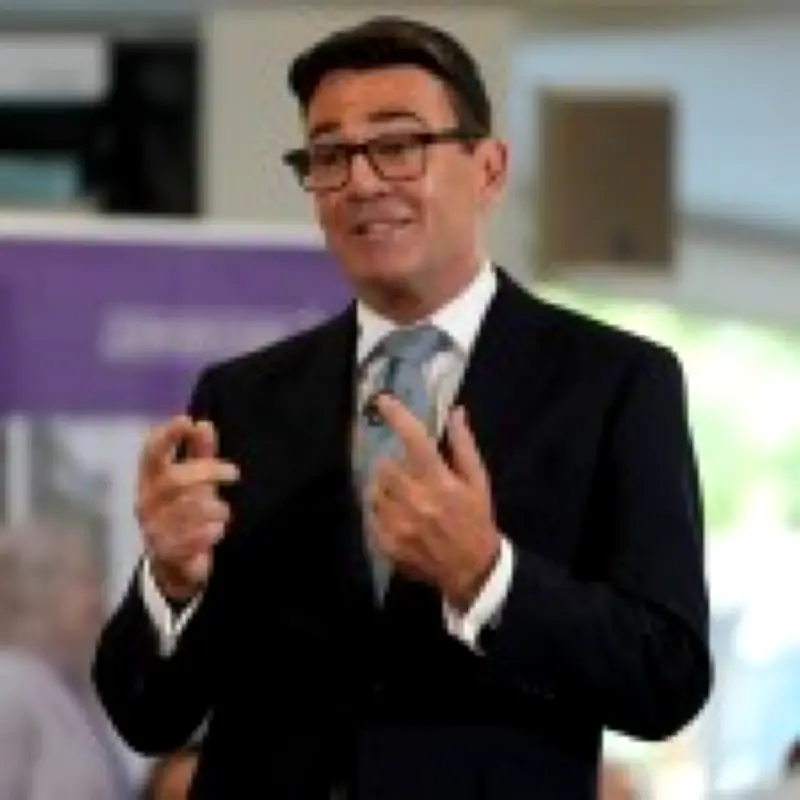
For the second week of Andy Burnham's policy lollapalooza, the freshly minted Prime Minister has set as his theme 'chronic headaches'. These are the seemingly intractable issues that successive governments have tried and failed to tackle. Yesterday the focus was on those pesky NEETs, and today it's social care in England.
Those with savings of more than £23,250 must pay all their costs, whether that's a care home or at-home support. That strict threshold means less than £23,250 allows access to local council support; a pound more gets nothing. So, people blast through savings until reaching the threshold, sell off valuable assets like their home, or suffer without help.
Burnham's condemnation
Burnham said today that social care in England is 'as unfair as American healthcare'. He also said he was prepared to wear through as much 'political capital' as necessary to get it sorted.
Tony Blair's government first appointed a Royal Commission in 1997, with its report in 1999. Since then, no fewer than 22 further reviews, reports and commissions have emerged without success.
Past attempts and pitfalls
When Theresa May called a snap general election in 2017, her manifesto proposed raising the asset threshold for home care to £100,000 but counting the home's value for the first time. Labour dubbed it a 'dementia tax', and the backlash lost May her parliamentary majority.
In 2010, then-Health Secretary Andy Burnham proposed a National Care Service with a 10% levy on estates after death. The Tories dubbed it a 'death tax' with an advert featuring a grave marked 'R.I.P. OFF'. Labour lost that election.
Today, Burnham said: 'What I got wrong was going too close to a general election, when there just wasn't time for those issues to breathe.'
The truth is that this is an enormously sensitive subject, and any solution will require a great deal of money at a time when things are already tight. People may back the premise but balk when they face trade-offs.




