
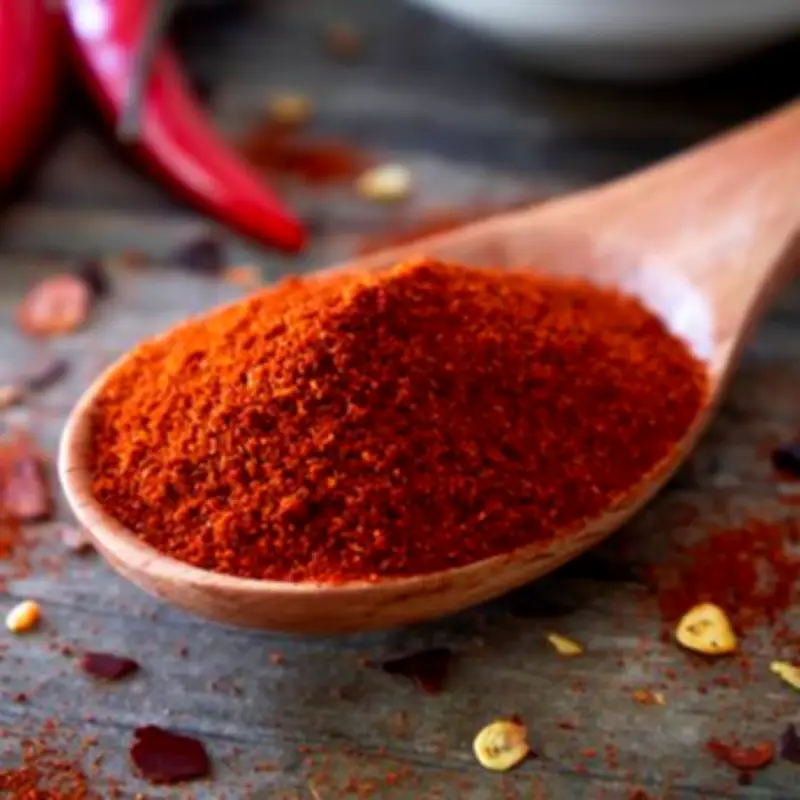
Welsh gardeners are being encouraged to sprinkle chilli powder in their gardens this June for a genuinely important reason. While it may seem unusual, this technique is an ideal way to provide food for hungry birds during the warmer summer months without it being stolen by other creatures.
Why Birds Need Help
Birds have faced difficulties in recent years due to habitat loss and a shortage of available food. Gardeners have noticed significantly fewer birds than usual, with the RSPB's Big Garden Birdwatch tracking a decline in bird populations in residential gardens over recent decades. The dramatic decrease in insect numbers—reduced by as much as 80 per cent over the last 20 years due to habitat loss and climate change—is believed to be causing cascading effects throughout the food chain. Birds now have significantly less to eat, putting them at risk of starvation.
The Chilli Powder Solution
Many gardeners try to help by providing bird food, especially during the crucial nesting season. However, a major challenge is that other animals, like squirrels, attempt to steal the food. This is where chilli powder proves useful. If you have a birdbath or bird feeder, you can offer mealworms, suet, fat balls, and fruit pieces such as apples for birds to eat. Damaged apples and pears are particularly appealing to birds, and kitchen leftovers like pastry, cooked rice, and breadcrumbs can also be used. However, the RSPB advises against using excessive amounts of these.
By coating everything with chilli powder, birds can enjoy the food entirely to themselves. Birds are completely unaffected by chilli powder, while squirrels and foxes detest it, leaving all the food for the birds. The RSPB explains: "Strong chilli powder or pepper sauce (like Tabasco) can be shaken onto bird food. Birds aren't bothered by the chilli, but most squirrels can't put up with the burning sensation and will leave the food alone."
Important Precautions
Nevertheless, avoid using a flat bird table. These were withdrawn from sale by the RSPB in 2024 due to concerns about disease transmission. Additionally, refrain from leaving out seeds or peanuts between May 1 and October 31. The RSPB believes that seeds and nuts might be transmitting diseases that are killing birds, despite the good intentions of bird enthusiasts.




