Another sweltering day, another hot weather record broken. As anyone who lived through it will tell you, 1976 was an unforgettable summer heatwave - given it was so unusual. But just five decades on, in the 2020s, those record temperatures arrive every summer, every year, several times per year. On Wednesday, the Met Office said it was the hottest June day ever recorded in the UK as overnight temperatures stayed above 23C. Then on Thursday the record was broken again. And it was a hat trick on Friday - as a temperature of 37.3C was recorded in Santon Downham, Suffolk.
Net zero plans out of reach for most
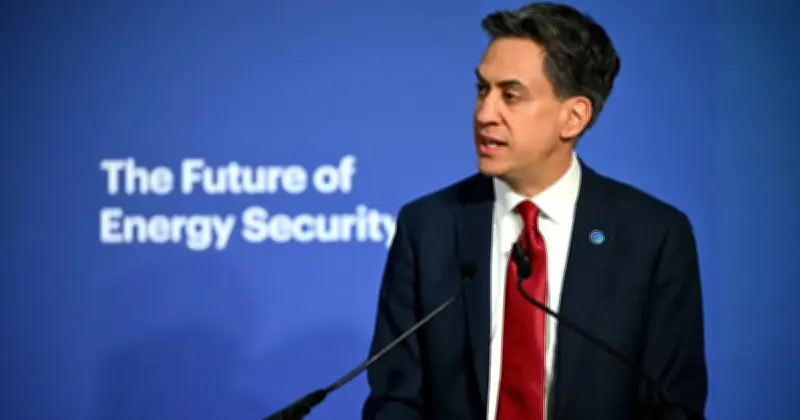
But politicians like Ed Miliband need to realise that his net zero plans to tackle this crisis are simply out of reach for all but the most wealthy - and that should worry everyone. Solar panels, EVs and heat pumps are all good ideas. If we could wave a magic wand and switch every home in the UK to solar panels and heat pumps with an EV in the driveway, it would massively reduce the country's carbon emissions and equip everyone with the tools to fight the causes of climate change and protect us from the effects in the meantime.
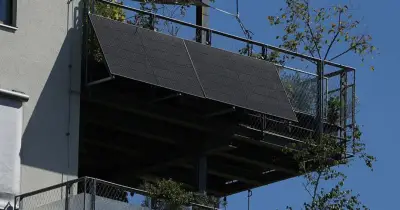
Heat pumps can be flicked into reverse mode in summer, doubling up as aircon. Your gas boiler can't do that. EVs can recharge at home for a couple of quid from increasingly renewable electricity sources, or for free from your solar, not running from £100 tanks of fossilised dinosaur liquid which converts into carbon pollution on the go. Solar panels literally get free energy from the sun to power everything in your house and pay for themselves within a few years.

The cost barrier
The problem is most UK households can't afford to go green. Somehow, we've ended up in a situation where saving the planet just isn't cost effective - and in true 'two tier' style it's the poorest who will suffer the most. The average cost to buy even a second-hand EV is between £10,000 and £20,000, according to car dealership Dick Lovett. That doesn't sound horrific, but that's still far beyond what many drivers can afford, especially the very old, the very young, and the very put-upon low income families. These drivers are buying an old petrol Peugeot for £2,000 to £5,000 and when it breaks, they'll do the same again.
The average cost of solar panel installation is between £5,500 and £8,000, with larger installs hitting £12,000 even with Ed Miliband's net zero government subsidies. Heat pumps, similarly, cost between £10,000 and £15,000 on average, but the government will meet half that cost with a £7,500 grant. That leaves you footing a bill of up to £7,500.
Total cost up to £39,500
Add all that together - a second hand EV, a low-end heat pump-cum-aircon unit and a small solar panel installation and the bill is £17,500. On the high end for all three, that's £39,500. Most families just don't have it. According to Natwest, 20% of households have no emergency savings. The average emergency fund is worth £5,776, and the average family saves £288 per month.
A few fortunate, top earning households will feel like they're sitting pretty with their heat pumped air conditioned houses, run for free from their solar panels, with an EV charging for free in the driveway. But even they should be worried. If the planet keeps heating, even those won't be enough to shelter from what's coming when crops fail, water shortages take hold and, just like this week, the trains can't run and the schools can't open.
Conclusion
I'm not saying there's any easy fix, but if Ed Miliband can't make saving the planet affordable for everyone, then it's sadly going to make net zero difference to the crisis set to cook us all.