UK households and businesses are being urged to prepare for potential emergencies as the country faces a growing risk of wildfires and flooding. Experts are calling on organisations to review their emergency evacuation plans to ensure they work in practice, rather than simply existing as documents.
Why the warning is being issued now
The warning comes as wildfires have become an increasing threat across the UK, with recent blazes this summer forcing people from their homes and businesses to consider how they would respond if a fire reached their premises. At the time of writing, two red flood warnings are currently in force.
Organisations are being encouraged to regularly review their fire risk assessments, check that emergency exits are accessible and clearly signposted, and ensure staff know exactly what to do if they are forced to evacuate. They should also consider how they would safely evacuate people with mobility issues or other disabilities, as well as visitors and temporary staff who may not be familiar with the building.
Personal emergency evacuation plans
Naomi Martin, director of sales, marketing and aftermarket at Evacchair, which designs, develops and manufactures emergency evacuation and transfer chairs, said organisations needed to think beyond simply having a written evacuation policy.
"It's about organisations being more prepared and able to evacuate everyone. Most businesses will have an evacuation plan, but it's ensuring that it is up to date and regularly reviewed," Ms Martin told the Express.
She added: "If there is anybody within the workforce or anybody that comes on site regularly as a visitor that is mobility impaired, there should be what's called a PEEP, which is a personal emergency evacuation plan in place for that individual, which details how they'll be evacuated by whom and using what."
Equipment and training considerations
Ms Martin explained that it is crucial for organisations to ensure their equipment is correct, is regularly serviced if needed, and that there are trained people to use the products. There are various types of evacuation products available, from evacuation chairs to mats or sheets.
She warned: "There needs to be more thought and planning put into it to ensure people are prepared should the worst happen."
The expert said this was particularly important for people with mobility impairments but warned that businesses should not assume that everyone who may struggle to evacuate will have an obvious disability. A person could also have a temporary impairment or a mental health issue which could affect their ability to leave a building quickly during an emergency. This can become particularly important in buildings where people are expected to use stairs during an evacuation.
Practical steps for businesses and households
Ms Martin said organisations should also look at the particular risks posed by their own premises. For example, manufacturing businesses may have combustible materials, batteries or other items which could contribute to a fire if not stored and handled appropriately. They should also make sure emergency exits are kept clear and that employees know where they are and where they should assemble after leaving the building. Regular drills can help identify problems which may not be obvious from a written evacuation plan.
Companies should also consider whether their fire doors, alarm systems and other safety measures are being appropriately maintained. Ms Martin pointed to research from the Fire Door Inspection Scheme which found a high proportion of inspected fire doors failed to meet requirements. Organisations should therefore not assume that having safety equipment in place means they are adequately protected. For businesses concerned about their preparedness, an independent fire risk assessor can inspect premises and identify potential weaknesses. Training is another important part of preparation, with staff needing to know what to do when an alarm sounds, while designated fire marshals should understand their responsibilities and receive appropriate training.
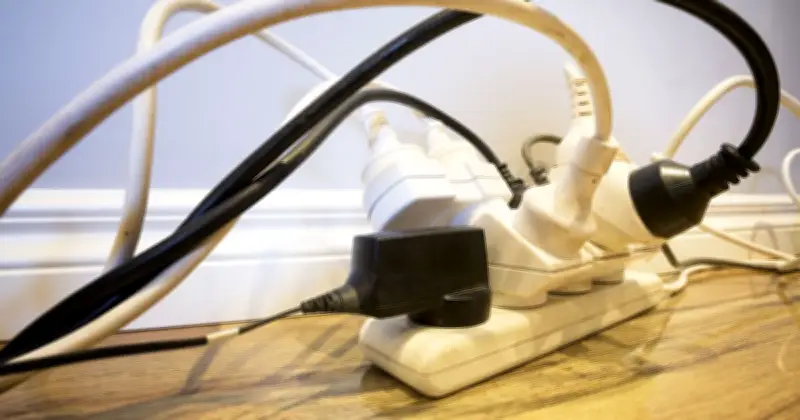
While businesses need to prepare, households can also take simple steps to reduce the risk of fires during periods of hot and dry weather. People using barbecues outdoors should ensure they are completely extinguished after use, while potentially flammable materials should be stored safely. Whether it's summer or winter, households should also be careful with candles, electrical equipment and extension leads. Ms Martin said people should avoid overloading extension leads and should consider having electrical systems checked where appropriate. She also warned that products such as emollient creams can increase fire risk if exposed to a naked flame and should be kept away from potential ignition sources. For those with electric vehicles, charging equipment should be properly maintained and serviced, while people should take care when storing or disposing of products that could become dangerous in extreme heat.