
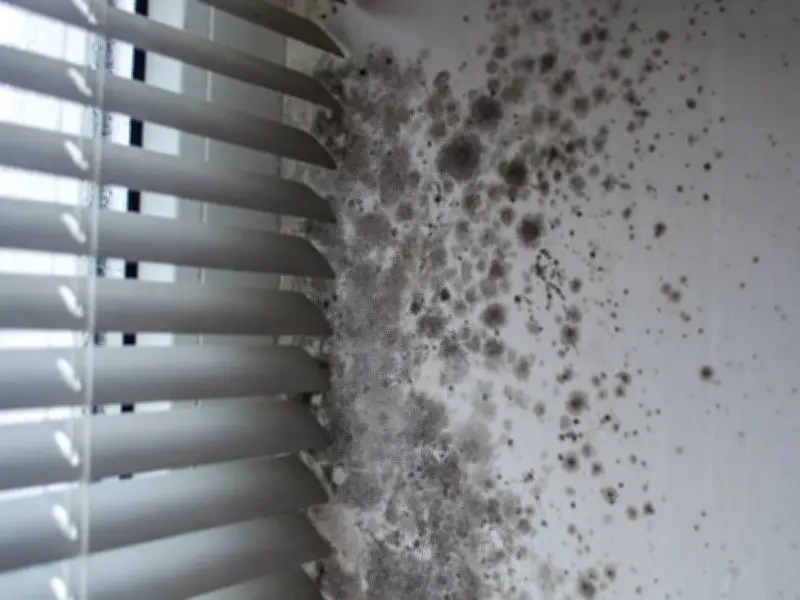
Winter creates conditions that are 'perfect' for mould to thrive in homes across the UK, but experts at Which? say a few habits can significantly reduce the risk of this threat ruining the look of your home and possibly impacting your health.
Airborne mould spores that settle on damp surfaces can soon grow out of control. It begins to multiply and spread, feeding on a variety of organic materials such as wood, carpet, and wallpaper paste. Provided the right conditions are present, mould can take hold anywhere in a home. In the UK, problem areas tend to include window sills and cold external-facing walls, which can generate severe condensation, as well as other high-moisture zones such as the kitchen and bathroom.
Health risks and costly repairs
If left unchecked, damp and mould could rot window frames, ruin wallpaper, and damage plaster — resulting in costly home repairs. Inhaling mould spores can trigger breathing difficulties, making conditions like asthma and allergies worse, as well as possible skin irritation and persistent coughing, posing serious health risks to both children and adults.
In a recent Instagram post, a Which? expert said: "If you notice any condensation, open windows or vents to let the moisture escape. You can even dry the bath and tiles after you shower or take a bath."
Ventilation and heating tips
As the weather turns colder and wetter, many households will be drying clothes indoors, and damp items can create pockets of moisture. Experts say the easiest way to beat this is to ensure moisture can escape through an open window.
The team suggests that the risk of mould developing in the kitchen can be significantly reduced by remembering a few straightforward habits. When cooking, placing lids on pans helps to contain moisture, while using an extractor fan or opening a window is just as important.
Which? experts also advise setting up your central heating correctly, which can help protect the entire home. Keeping temperatures consistent throughout your property can considerably reduce the risk of mould taking hold.
Which? said: "Try to prevent sudden rises and falls in air temperature as this can increase condensation. Keeping your heating on low and constant will help, as will draft excluders."
Dehumidifier guidance
The guide claims that dehumidifiers "won't get rid of mould" but can help prevent it by drawing in excess moisture. They said: "If you're getting one for a warm room then you'll want what's called a refrigerant or compressor dehumidifier."
"You just need to place it in the centre of your home and keep internal doors open so it draws out all that water from the air. If you want a dehumidifier for a colder space like a garage, you'll need the desiccant type which doesn't require warm air."




