
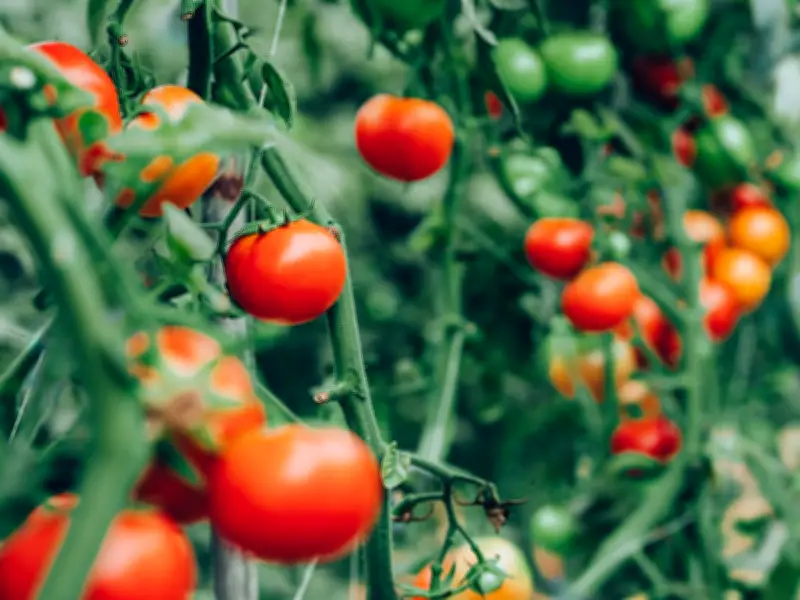
Tomatoes are flourishing across the country, with many gardeners already enjoying their harvest. Growing healthy tomatoes requires proper care, including quality soil, adequate sunlight, regular watering, and pest protection.
Companion planting is a technique where different plants are grown together to enhance each other's development. Certain companion plants benefit tomatoes by attracting beneficial insects, improving soil quality, and reducing pest problems.
Basil's Benefits for Tomatoes
According to Martha Stewart, basil and tomatoes have a "mutually beneficial relationship." Tomatoes can enhance basil's growth and intensify its flavor, while basil can repel tomato pests such as hornworms. Basil's strong aroma also deters aphids, whiteflies, and thrips, which can damage tomato plants by feeding on leaves and stems.
Basil is not a demanding feeder, so it won't deplete nutrients from tomatoes. It can be grown in the same soil, which tomatoes require regular feeding. Basil also serves as an early indicator of disease, with its leaves showing mildew or other symptoms before affecting neighboring plants.
Flavor and Pollination
There is no scientific evidence that basil enhances tomato flavor, but some gardeners believe growing basil nearby improves both taste and productivity. When basil flowers, it attracts beneficial insects that pollinate tomatoes, supporting overall garden health.
Other Care Tips
Tomatoes need full sun for up to eight hours daily and may require watering twice a day during hot spells. Regular feeding and consistent watering are essential. Basil thrives alongside many plants, including carrots, peppers, courgettes, oregano, and parsley, and can enhance the flavor of neighboring crops.




