
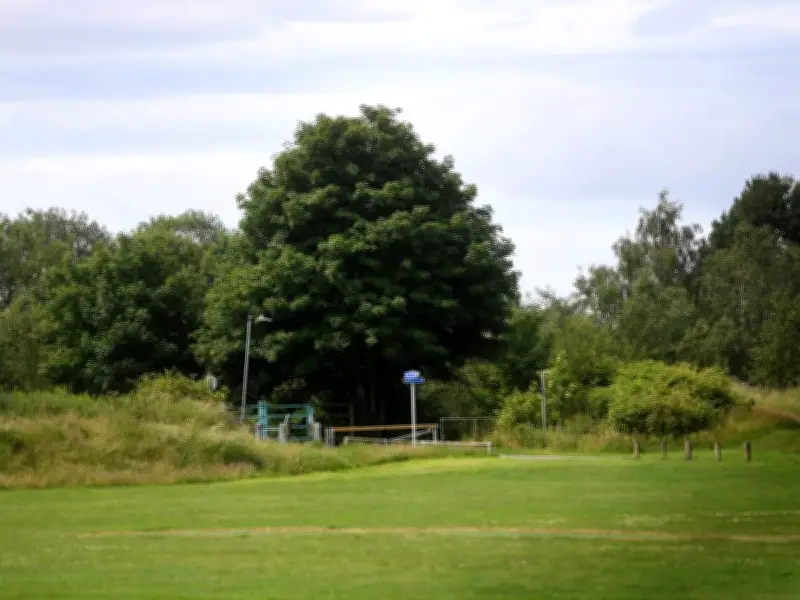
Nearly 3,000 people have signed a petition opposing plans to introduce parking charges at Lever Park and the surrounding Rivington area, a popular beauty spot on the edge of Greater Manchester. United Utilities, which operates the site through Rivington Heritage Trust, has proposed the fees to manage traffic volumes and generate income, but residents argue it violates the park’s legacy of free public access.
Proposed Charges and Petition
Currently, parking at the site is free. The proposal includes free parking for 30-60 minutes, followed by a charge of £4 for a given period. However, United Utilities has stated that no charges have been agreed upon yet. The petition, titled 'Stop United Utilities charging for parking at Rivington/Lever Park,' had 2,716 signatures at the time of reporting.
The petition argues that the charges would deter visitors, negatively impacting small businesses and community life that thrive around the park. It states: "we must not allow corporate greed to undermine this historical legacy. I urge you to protect the sanctity of Lever Park and what it stands for - community, heritage, and free access to nature for everyone. Stand with us in showing that access to public parks should not come with a price tag."
Resident Reactions
In the petition’s comment section, residents voiced their opposition. One said: "Rivington must remain free to use by all." Another added: "By adding parking charges all you will do is divert cars to park even more obstructively than what they do now, the road across the Rivington reservoir can be impassable at weekends now, because of unsatisfactory road management, and the amount of traffic over spilling from Rivington brewery!...your making a rod for your own back. UU have loads of land make a new car park, or is that to much like common sense!"
United Utilities’ Response
United Utilities has stated that the charges are not intended to generate profit but to invest back into the community, with all income ring-fenced and used locally. Money generated could fund new car parks, increasing capacity by around one third, refurbish existing car parks, upgrade footpaths and signage, and add new toilets, visitors centres, and restore heritage assets, including Liverpool Castle.
A United Utilities spokesperson said: "The increasing popularity of Rivington creates challenges including congestion, unsafe parking, pressure on paths and heritage assets as well as impacts on local residents and businesses. Without significant new investment, these issues will continue to grow. We have been engaging with local residents, businesses and councillors to share a proposal for car parking to be operated by Rivington Heritage Trust. There isn't a fixed timetable for this, and the level of charges hasn't been agreed yet. We will take the views of local people into account when setting them. We are in discussions with both Chorley Council and Lancashire County Council to ensure any proposals will help reduce congestion and improve safety for residents and visitors. Funds generated from car parking will be ringfenced and used to support improvements such as the creation of new car parks and refurbished car parks with bay marking, upgraded footpaths and signage, new toilets, new visitors centre, restoration of heritage assets including Liverpool Castle, the creation of education and engagement spaces and on-site staff who can help manage visitors, improve safety and protect the landscape."
Historical Context and Council Concerns
A meeting of Bolton Council, which has jurisdiction over Lever Park, discussed the proposals. The meeting highlighted that very little traffic management is currently in place during busy times and that the proposals appear aimed at generating income rather than addressing traffic issues. The park was gifted by Lord Leverhulme in 1902 to the people of Bolton, with the 400 acres intended for "The free and uninterrupted enjoyment of the public" and "for the use and enjoyment of the public for ever." This was enshrined in the Liverpool Corporation Act 1902 and Lever Park Act 1969, legally ensuring free access. Plans for charges raise concerns that they will deter people from visiting and enjoying the site at no cost.




