
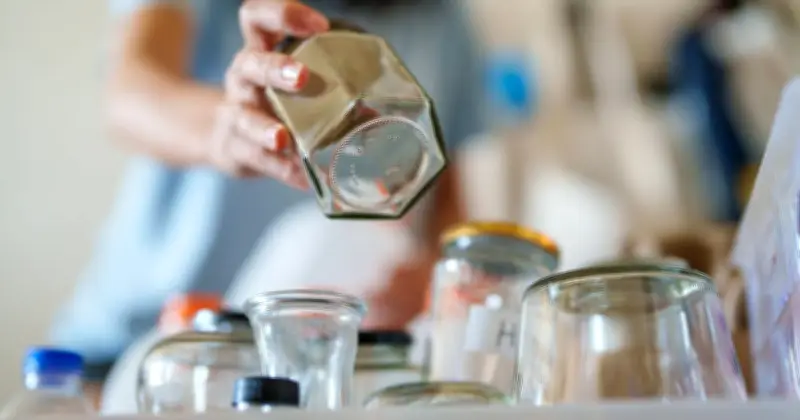
Households across England are being warned not to be caught out by new bin regulations that could see their rubbish left uncollected if they fail to follow the latest guidelines. The UK's Simpler Recycling reforms, introduced under the Environment Act 2021, have enforced mandatory and consistent recycling practices for businesses and households throughout England. This means separate collections are now required for food waste, paper and card, glass, metal, and plastic.
Key Changes for Glass Recycling
Local authorities are required to provide clear guidance on what can and cannot be recycled, although some councils are exempt from the new regulations until at least 2040. The Government is encouraging councils to collect glass jars together with their metal lids or caps. The Department for Environment, Food and Rural Affairs (Defra) advises: "Metal lids and caps on glass containers (for example, metal jam jar lids) can be left on and recycled with glass. Putting the lids or caps back on glass jars and bottles and recycling them with glass reduces the chance of them getting lost through the sorting process."
Practical Tips for Households
Households are advised to keep lids and caps on jars and bottles when placing them in the recycling bin. It is essential to rinse and thoroughly clean out any food or liquid residue before recycling. Recycle Now has also released guidance, stating: "Empty and give a quick rinse. Leftover liquid can contaminate other recyclables which may mean they aren't recycled. Put lids and caps back on. This reduces the chance of them getting lost during the sorting process as they can be recycled separately."
Corks should be removed from bottles prior to recycling, though these can be composted at home. If recycling glass at a bottle bank, blue glass can be placed with green glass.
Other Recycling Changes
The new bin regulations have also brought changes to which bathroom items can and cannot be recycled. The latest guidelines mean councils are not required to recycle absorbent hygiene products such as nappies, period products, and incontinence products. Cotton wool and makeup pads cannot be recycled, nor can tissues or wet wipes. Toilet paper should only ever be flushed down the toilet, while mirrors cannot be recycled at home and should instead be taken to a recycling centre.
It is always advisable to check with your local council to confirm whether the rules apply in your area, as some councils may have different arrangements until 2040.




