
Wales is in the middle of a scorching and dry summer, with hosepipe bans taking effect across numerous areas. Some parts of England have even experienced the longest unbroken spell of no recorded rainfall.
The prolonged dry conditions have led to falling reservoir levels as Britons consume more water than usual to keep cool. Thames Water, Affinity Water, Anglian Water, Cambridge Water, Southern Water, South East Water, South West Water and Welsh Water are among the providers that have announced restrictions this summer.
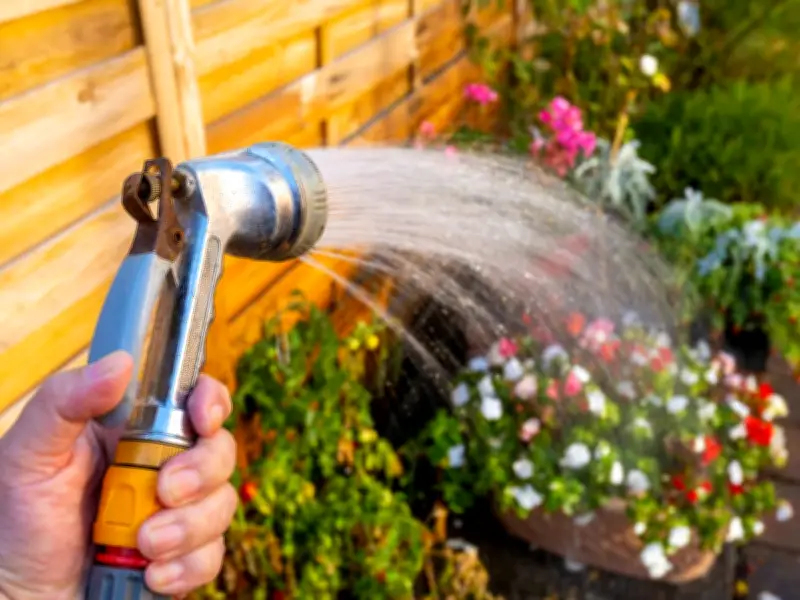
Millions of people across the country have been urged to adjust their water use to reduce strain on supplies. The hosepipe ban limits the use of hosepipes, sprinklers and pressure washers.
Residents should also refrain from filling paddling pools, hot tubs or swimming pools. Households are still permitted to use watering cans, buckets and water butts.
What to do if neighbours ignore the hosepipe ban?
Most people comply with the regulations, as it is essential to safeguard water supplies for everybody in the affected regions. However, should you notice a neighbour flouting the hosepipe ban, there are measures you can take.
Southern Water has clarified that if you have concerns about water being used in a manner that breaches the restrictions, you can report this by completing a confidential online form. The company noted that this might include witnessing a neighbour using a hosepipe to water their garden, fill a paddling pool or swimming pool, or clean a car or house windows.
Southern Water said: "We always aim to educate first, but in serious or repeated cases, we may need to take action if restrictions are being ignored. By working together, we can make sure there's enough water for everyone - now and in the future."
Thames Water added: "Please do not call 999 if you see someone using a hosepipe." Meanwhile, Welsh Water say breaches could result in enforcement action where appropriate. But added: "Please remember that some customers and businesses are legally exempt from the restrictions, so someone using a hosepipe may be doing so lawfully. We encourage everyone to focus on reducing their own water use rather than assuming someone is breaching the restrictions."
Should you spot a neighbour flouting the ban, check with your local water provider to find out whether they are accepting confidential reports.
Who is exempt from the hosepipe ban?
A number of the bans do not apply to customers who only receive wastewater. However, you should verify with your supplier before using your hosepipe to confirm you are exempt.
According to Thames Water, hosepipes may be used to safeguard the health or safety of people or animals and prevent the spread of disease or invasive species. This can include watering a boat or cleaning paths.
Those with severe mobility difficulties are permitted to use a hosepipe to water gardens, clean a private vehicle, fill or maintain a pond or clean windows, walls and paths.
Numerous service providers operate a Priority Services Register, though not all are exempt. Confirm with your provider whether this applies to you.
Hosepipes may be used for plants cultivated for sale or commercial purposes, plants forming part of a National Plant Collection or temporary flower or garden displays or for food crops at home when using a watering can isn't feasible.
Businesses delivering services to customers, such as cleaning vehicles, boats, windows, external walls, paths, patios and other outdoor areas, may use hosepipes.
Hosepipes may be used to fill a water tank when required for washing, cooking and sanitation.




