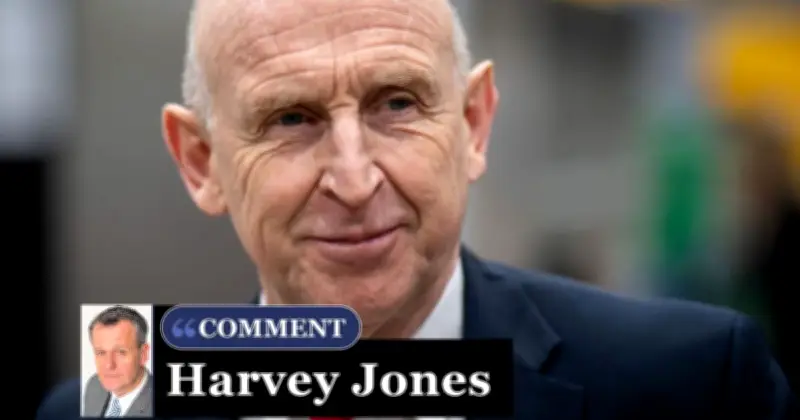
Chancellor John Healey may be preparing to defy expectations by avoiding a fresh wave of tax increases in the upcoming Budget, despite warnings of a £35billion shortfall. With the Budget due on October 28, speculation is mounting that Healey could take a different approach than his predecessor, Rachel Reeves.
Healey's Silence Compared to Reeves
Reeves delivered two Budgets that included £66billion in tax hikes, reckless spending, and presentational chaos, leaving the economy struggling to grow. Many expected Healey to complete a brutal hat-trick, especially after warnings of a £35billion gap that could tempt him into another round of tax raids. However, unlike before Reeves's Budgets, Healey has managed to keep a lid on loose talk, with only rumours of windfall taxes on banks and oil companies circulating.
Prime Minister Andy Burnham has spoken about scrapping the state pension triple lock, reforming social care, and launching a council house building spree, but these are long-term goals. With a potential snap election in focus, Burnham may not want a big Budget row.
Pressure for Tax Hikes
Many in Labour, including Burnham's deputy Louise Haigh, have pushed for a big capital gains tax (CGT) hike targeting non-ISA investors, second homeowners, and those with increased asset values. Critics argue this would savage business investment, as taking risks would be less appealing if the state grabs most gains. Left-wing think tanks and backbench MPs also want higher CGT, a wealth tax, and more inheritance tax.
Healey appears to have backed away from lowering the mansion tax threshold from £2million to £1.5million, a move that would raise little while crushing housing market confidence. He may also avoid attacking the 25% pensions tax-free lump sum, a rumoured target under Reeves but politically toxic.
A Budget of Restraint?
Healey is under pressure to hike windfall taxes on banks and oil companies, which voters might welcome. However, such moves could shut down the North Sea or lead banks to pass extra costs onto customers through higher mortgages and lower savings rates. Some of Reeves's increases have yet to come through, and Healey may decide they are enough.
Every chancellor likes to pull a rabbit out of the hat, but Healey's most magical move would be to do nothing at all. Taxpayers and the economy would be thrilled, and even happier if he reversed some of Reeves's damage. However, a successful Budget could pave the way for five more years of Labour, after which Burnham and Healey would be free to pursue their agenda.