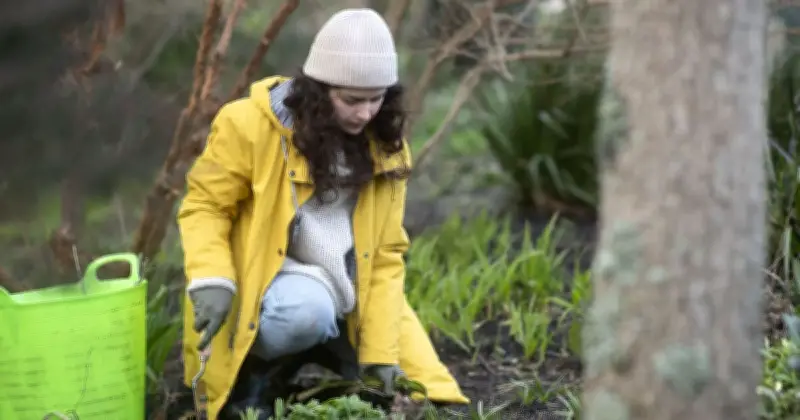
As temperatures drop and days shorten, October is a vital time in any gardener's calendar, and one expert has shared advice for a thriving outdoor space. Paul Parker, gardening expert at plants and bulbs specialists J. Parker's, has provided useful gardening advice for October.
Plant spring bulbs
The first tip involves getting ahead on planting, and thinking about where to place bulbs to ensure the best display when the weather picks up. Parker explains: "I always recommend you play with different heights and textures, for example, tulips, daffodils and alliums make great taller-flowering varieties. Mix these with Fritillaria, miniature narcissi and crocuses for lower-growing interest."
Prune climbing roses
While the plant is dormant during colder months, it doesn't need vigorous pruning, and if it is less than two years old, it shouldn't be pruned at all to avoid stunting its growth. General upkeep is needed, but avoid the main framework of stems altogether and only cut side shoots that appear to be crossing or sticking down. Only long shoots susceptible to wind damage need pruning in autumn.
The expert also advises collecting fallen leaves from around the base, as this helps to "prevent the spread of fungal diseases".
Lift tender plants
With frosty days on the horizon, it's important to lift tender bulbs and tubers over the coming weeks. This is particularly important for plants such as dahlias and begonias, which can be lifted and stored inside over winter. Doing this helps protect their delicacy once cold weather kicks in, and many can be planted again next spring.
Parker said: "To do this, wait for the first frost to blacken the leaves. Using a garden fork, gently lift out the tuber clump. Once the tubers are removed, leave them to dry upside down for a couple of days so that the stems can dry out. Over winter, leave the tubers in a moisture-free, cool area such as your garage or shed."
Make the most of dropped leaves
Fallen leaves are one of the biggest jobs of the season, but they shouldn't be thrown away, as dead leaves make great compost. Adding them to a compost heap along with fresh grass clippings helps keep the pile moist, and in a year's time, it should work as a nutrient-rich compost for soil.
Move rooted plants
The gardening specialist claims: "By late autumn, once your trees, shrubs, climbers, and hedging are fully defoliated, they have entered their dormant phase." This means they can be lifted and rearranged to different parts of the garden, and October calls for the perfect time to move rooted plants. With the soil still warm, there is just enough time for roots to establish their new homes before the cold arrives, but you must wait until they are dormant, typically later in the month, for this to prove successful.