Hawaii Assumes Control of Aging Wahiawa Dam After Near-Failure Flood Scare
Hawaii Takes Over Aging Dam After Flood Evacuation Scare

Hawaii Assumes Control of Aging Wahiawa Dam After Near-Failure Flood Scare

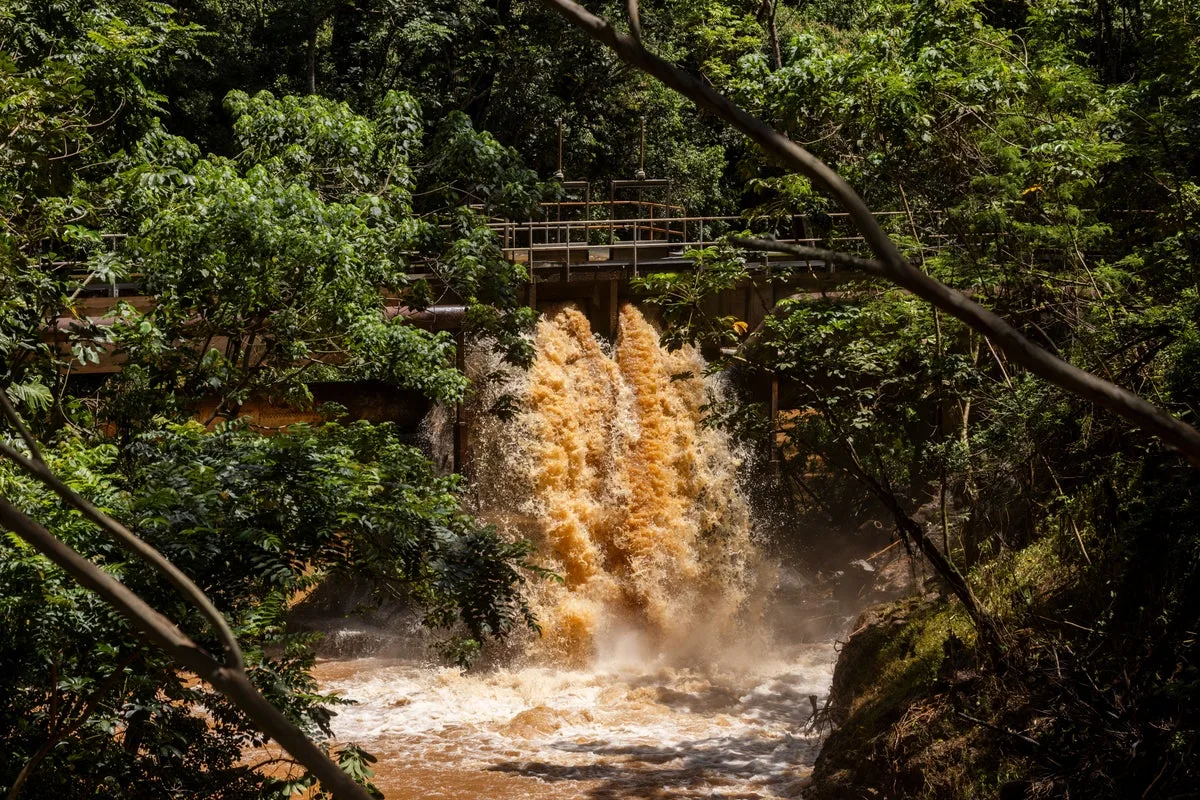
Hawaii is taking control of the aging Wahiawa Dam after floodwaters pushed it to near-failure levels, prompting mass evacuations and raising urgent safety concerns. The state's land board voted on Friday to acquire dam land parcels from Dole Food Co., clearing the way for the state to take over the 120-year-old structure and move forward on at least $20 million in repairs and an expansion of the spillway.

Imminent Danger and Evacuation Orders

The earthen dam, built in 1906 to increase sugar production for the Waialua Agricultural Co., which eventually became a subsidiary of Dole Food Co., was reconstructed following a collapse in 1921. During heavy rains and devastating flooding last week, the dam reached worrisome levels, leading to fears of a life-threatening failure. Approximately 5,500 residents were ordered to evacuate from two communities on Oahu's North Shore, famous for big-wave surfing. Evacuation orders were lifted on Saturday when water receded, but the scare highlighted the dam's precarious state.

Kathleen Pahinui, a neighborhood board chairperson who was among those evacuated, expressed ongoing concerns. "Residents worry the dam will fail during each substantial rain," she said, noting that the state Department of Land and Natural Resources has classified the Wahiawa Dam as a "high hazard" because its failure would likely have fatal consequences.

Wide Pickt banner — collaborative shopping lists app for Telegram, phone mockup with grocery list

State Ownership and Community Reassurance

State control has long been supported by the governor's office, lawmakers, neighbors, and farmers, making Friday's vote a foregone but welcome development. Pahinui, who submitted testimony in support of the plan, stated that state ownership will go a long way toward reassuring the community. However, she emphasized that residents will be keeping close tabs to ensure repairs and improvements are made promptly.

Officials also heard testimony from a farming advocate who reminded the board about the dam’s importance to crops and a resident who urged quick action. The decision comes as Hawaii grapples with the aftermath of severe storms, with Gov. Josh Green estimating the cost could top $1 billion, including damage to airports, schools, roads, homes, and a Maui hospital. He called it the state’s most serious flooding since 2004.

Historical Context and Safety Deficiencies

The state has sent Dole four notices of deficiency about the dam since 2009, and five years ago it fined the company $20,000 for failing to address safety deficiencies on time, according to records. Dole Chief Legal Officer Jared Gale told the land board that fines were for missed deadlines for submitting paperwork and not related to maintenance, asserting that Dole has maintained the dam and spillway "very well" over the years.

Dole proposed to donate the dam, reservoir, and ditch system to the state in exchange for an agreement to repair the spillway to meet and maintain dam safety standards. This proposal was a key factor in the board's decision, aiming to prevent the alternative of decommissioning the dam, which could have significant impacts on local agriculture and water supply.

Controversy and Colonial Legacy

Prior to the vote, board member Wesley "Kaiwi" Yoon expressed reservations about the deal, questioning whether the state can bear the costs and highlighting Dole's history of plantation-era colonization. "If the state is going to endure this and partner with Dole, who again has a checkered past and issue with its Native community and what it's done to aina over time, it’s very difficult to be so nonchalant about this issue," he said, using the Hawaiian word for "land."

Yoon ultimately was the only board member to vote against the land acquisition. In contrast, Dole consultant Trisha Kehaulani Watson-Sproat, a Native Hawaiian who grew up near the dam, told the board that state takeover is the "best way forward," describing it as "the decolonizing of this watershed system."

Pickt after-article banner — collaborative shopping lists app with family illustration

Future Repairs and Environmental Impact

The takeover sets the stage for critical infrastructure improvements, with at least $20 million earmarked for repairs and spillway expansion. Waters rose quickly during the recent storm, adding to already saturated earth from other downpours, underscoring the need for enhanced safety measures. Cleaning up from thick mud that oozed into homes and raging waters that lifted houses and vehicles could take years, as noted by Pahinui.

This move represents a significant step in addressing long-standing safety issues and ensuring the dam's reliability for future generations, balancing historical concerns with modern infrastructure needs.




