
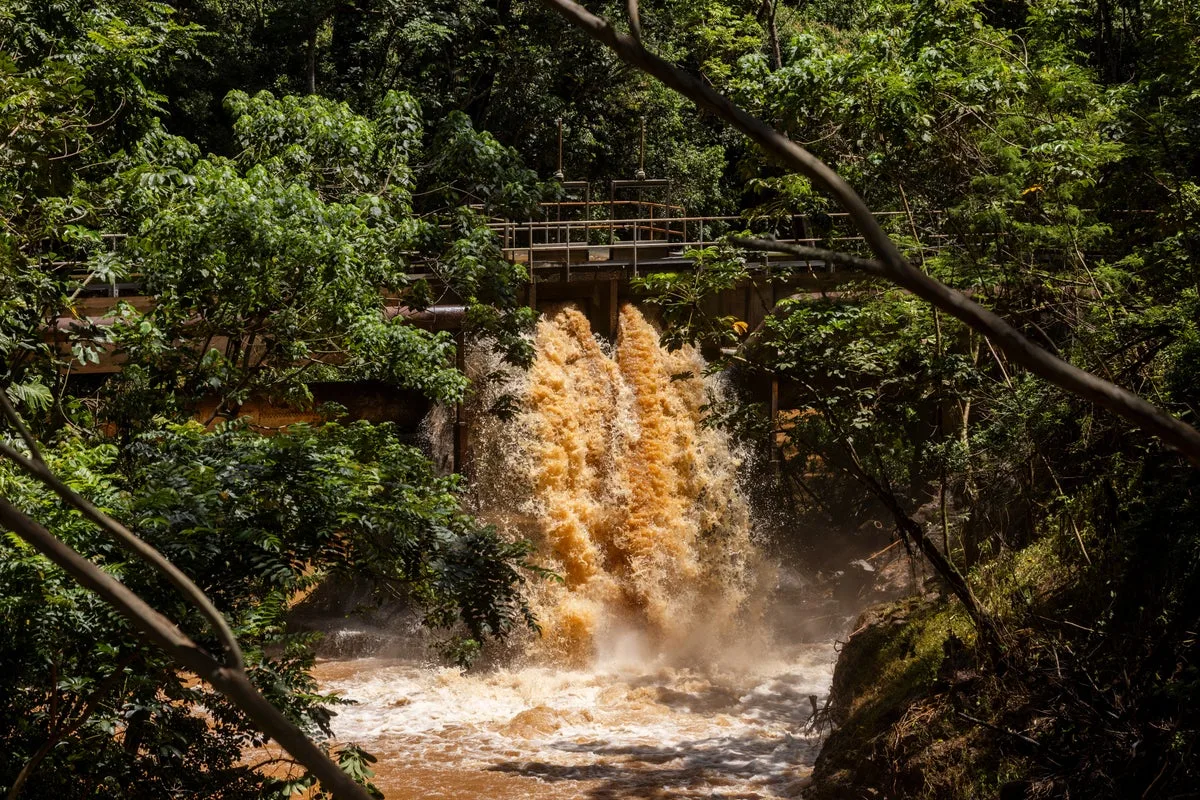
Hawaii's land board has voted for the state to acquire a 120-year-old dam on the island of Oahu, after a failure scare last week forced thousands of residents to evacuate. The decision paves the way for at least $20 million in crucial repairs and an expansion of the spillway at Wahiawa Dam, located north of Honolulu.
The earthen structure was built in 1906 for sugar production by Waialua Agricultural Co., a former Dole subsidiary, and was rebuilt after a collapse in 1921. The Department of Land and Natural Resources classifies it as a "high hazard," warning that failure could have fatal consequences. During the recent storm, 5,500 people were ordered to evacuate from two communities on Oahu's North Shore; those orders were lifted on Saturday as water receded.
Kathleen Pahinui, a neighbourhood board chairperson who was among those evacuated, said residents had long supported state control. "State ownership of the dam will go a long way toward reassuring the community," she said, but added that residents would be "keeping close tabs" to ensure repairs are completed. Governor Josh Green said the cost of the storm could exceed $1 billion, including damage to airports, schools, roads, homes and a Maui hospital, and called it the most serious flooding since 2004.
The state has sent Dole four notices of deficiency since 2009 and fined the company $20,000 five years ago. Dole's chief legal officer, Jared Gale, told the board that the fines related to missed paperwork deadlines, not maintenance, and that Dole had maintained the dam "very well." Dole proposed donating the dam, reservoir and ditch system to the state in exchange for an agreement to repair the spillway to meet dam safety standards.
The board approved the acquisition with one dissenting vote. Wesley "Kaiwi" Yoon expressed reservations about the state bearing costs and Dole's history. Trisha Kehaulani Watson-Sproat, a Dole consultant who said she grew up near the dam, called the takeover the "best way forward" and described it as "the decolonizing of this watershed system."




