England's new "Simpler Recycling" regulations have changed household waste collection. By Ellen Jenne, Under 35 Writer, Spare Time, Shania King-Soyza, Audience Writer, Spare Time 15:05, Fri, Jun 19, 2026 Updated: 15:12, Fri, Jun 19, 2026 New "Simpler Recycling" regulations came into effect just over a month ago (Image: Getty)
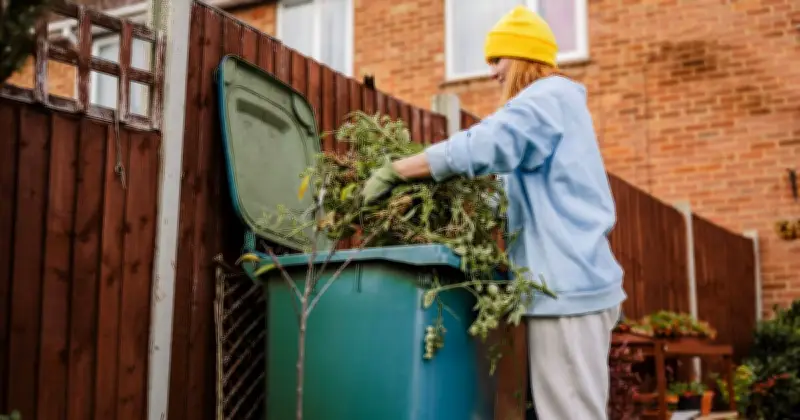
New "Simpler Recycling" regulations came into effect just over a month ago, ushering in a more straightforward and efficient standardised waste collection system. While these changes are intended to encourage households to be more mindful about what they dispose of, many residents have been left baffled about what can and cannot be recycled from their gardens. The introduction of these updated guidelines means several items can no longer be recycled during a thorough home clear-out. This equally applies to the disposal of items from outdoor spaces. Whether you're sorting through your shed, decluttering your garage, or giving your garden a tidy-up, there are several factors to consider before placing anything in the recycling bins.
Key Changes Under Simpler Recycling
The UK's "Simpler Recycling" reforms, introduced under the Environment Act 2021, enforce mandatory and consistent recycling practices for both businesses and households across England. Among the key new requirements are separate collections for food waste, recyclable materials, and garden waste. The initiative aims to simplify recycling, boost sustainability, and reduce the volume of waste destined for landfill.

It is worth noting, however, that certain local councils remain exempt from these new regulations until at least 2040. It is therefore essential to check with your local authority to determine whether these rules apply in your area.
Garden Items You Can No Longer Recycle
The full list of garden waste materials no longer eligible for recycling and collection is available on the Government's website. These include:
- Animal bedding
- Bulky waste (including garden furniture and fencing)
- Garden tools or other gardening equipment
- Plant pots
- Plastic, such as plastic bottles
- Sand
- Sawdust
- Stone, gravel or bricks
- Tea bags or coffee grounds
- Branches and trees over a certain size may have to be cut into smaller pieces to follow local guidance
With regard to garden waste, new Government regulations now stipulate that food and garden waste must be collected separately from recyclable materials. The Government has previously identified six household kitchen items that are no longer recyclable under England's revised regulations. These include drinking glasses, glass cookware, ceramic crockery, cutlery, and pots and pans.