
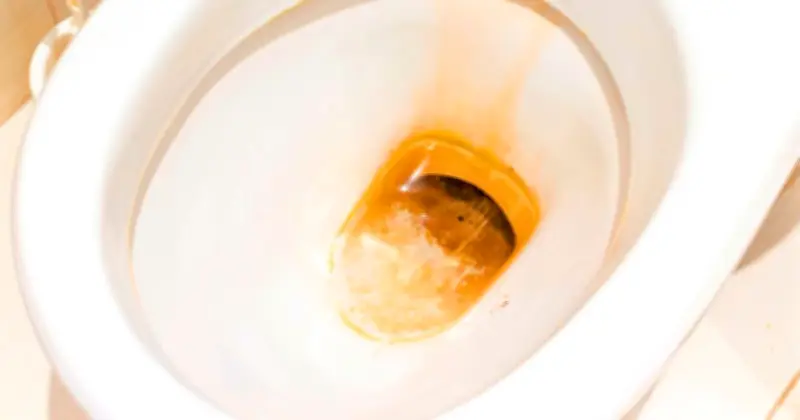
Toilets can be frustrating to clean, especially when stubborn stains around the waterline remain after scrubbing. These yellow-brown marks are usually limescale, a hard mineral deposit formed when hard water evaporates. Limescale hardens over time and is resistant to many cleaners, including bleach, which can actually worsen the problem.
Citric acid: a natural limescale remover
Household expert Francesca, creator of Thoroughly Modern Grandma, recommends citric acid as an easy, natural solution. She said: “There’s a really easy solution to tackle the mineral/limescale deposits, just follow my easy cleaning loo routine. Once a week…give your loo a clean with Citric Acid to remove the mineral/limescale deposits.”
Limescale consists of calcium carbonate, which has a tough texture that clings to surfaces. Citric acid, naturally found in citrus fruits like lemons, dissolves calcium carbonate quickly due to its acidity, making scrubbing unnecessary.
How to use citric acid
Citric acid is affordable, typically costing £2 to £3 in the cleaning aisle of supermarkets. While lemon juice can be used, powdered citric acid is stronger and more effective.
To clean, pour a jug of warm water (not boiling, as it can crack the porcelain) into the toilet bowl, then add about 500g of citric acid. Let it sit unflushed for at least an hour, or overnight for heavy limescale. Afterward, gently scrub with a toilet brush — the stains should crumble away easily. Flush for a clean bowl.
Francesca advises using citric acid weekly to prevent limescale buildup.




