
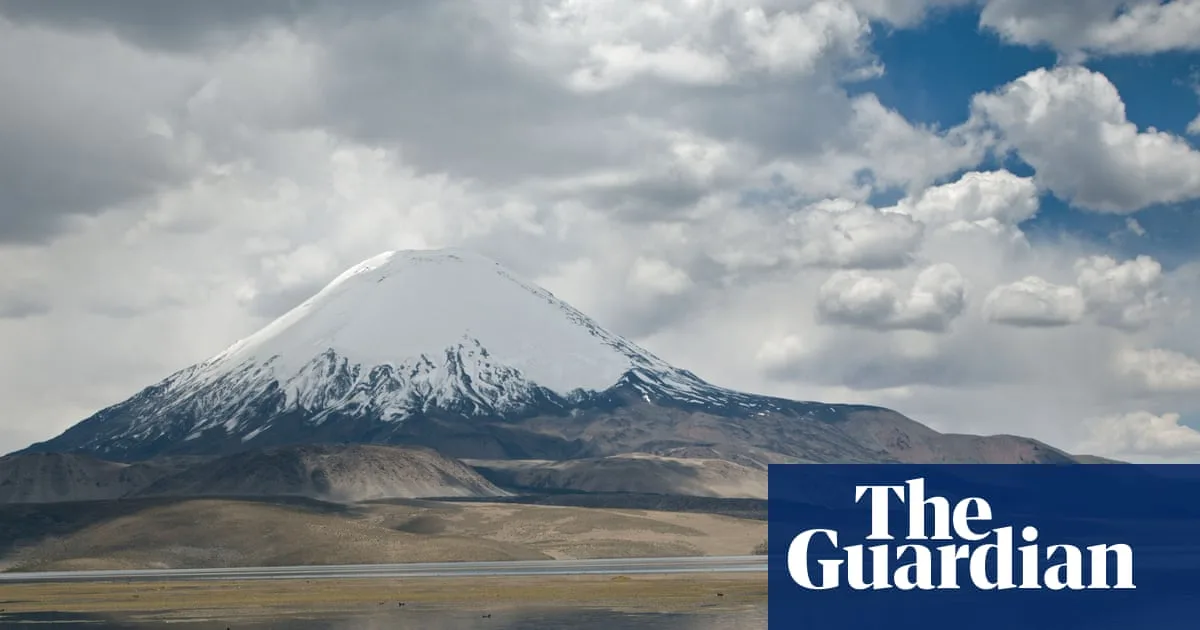
Chile’s environmental activists are preparing for a tough fight under the new far-right president, José Antonio Kast, who was sworn in on 11 March on a pro-business platform promising to slash environmental protections. In the northern region of Arica y Parinacota, where Kast won over 62% of the vote, fears are mounting that increased mining activity will damage precious ecosystems and threaten water supplies.
Andrea Chellew, 62, who runs a café in the Andean highlands near Lauca national park, says tourist numbers have fallen amid reports of mining encroaching on protected areas. 'The highlands are the sustenance of life,' she said, warning that water from the mountains supplies valleys and the coastal city of Arica. 'Kast is more like Trump,' she added. 'We are worried.'
Indigenous leader Marcela Gómez Mamani, a representative of the Aymara community in the Vitor-Codpa basin, voiced deep concern over mining operations by the Chilean company Andex Minerals near Camarones. 'The greatest concern is water,' she said, noting that the company is drilling where water sources originate, threatening agriculture, livestock, and tourism. She also reported that ancestral ceremonial paths have been blocked with rocks, with complaints unaddressed.
Mining is a cornerstone of Chile’s economy, accounting for over half of exports and about 20% of state income in 2021. However, activists argue that the industry’s benefits are concentrated among a few, while local communities bear the costs of pollution and water depletion. Across the north, heavy metal contamination from mining has left the region 'contaminated with polymetals', according to Chellew.
As Kast’s government prioritises investment over permits, environmentalists worry that protections for indigenous land and water rights will be further eroded. 'That is where Indigenous peoples are portrayed as obstacles to development,' said Gómez Mamani. The battle lines are drawn, with many fearing that the new administration will roll back decades of conservation progress.




