
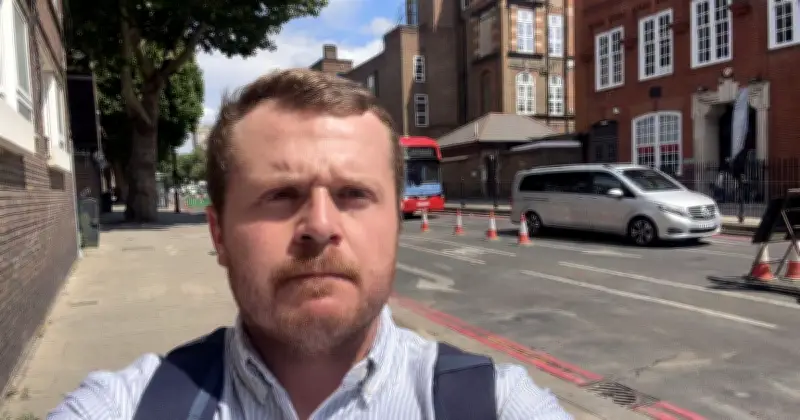
Express reporter Toby Codd visited Camden, the most polluted part of the UK, to speak with locals about the air quality. He found that residents, while acknowledging the problem, expressed a sense of hopelessness and defeat.
High pollution levels in Camden
Recent research shows that residents across Camden, including areas such as Holborn, St Giles, and Covent Garden, breathe in an average of nearly 21 micrograms of fine particulate matter (PM2.5) and over 34 micrograms of nitrogen dioxide (NO2) every year. The area suffers from constant heavy traffic and tall buildings, contributing to poor air quality.
During his visit, Codd noted that the streets were busy and the air felt stuffy, but he did not personally experience immediate health effects. However, he emphasized that the real concern is for those who live and work in the area long-term.
Residents' resignation
When informed of the pollution data, locals were not shocked. They appeared resigned, with many smiling as if to say "It is what it is." They have accepted that living in a densely populated, built-up area comes with pollution, and they have adapted rather than expect change. Some residents, especially those in high-rise flats, keep windows and doors shut during heatwaves to avoid dust and particles entering their homes.
Authorities' responses
A Camden Council spokesperson said: "Improving air quality is one of our top priorities, and we have made significant progress in recent years. This includes helping to tackle air pollution through cleaner transport, stricter planning policies, electric vehicle infrastructure, and educational sessions reaching thousands of residents and schoolchildren." The council noted it was the first local authority to adopt World Health Organization air quality standards and reported a 21% reduction in annual average nitrogen dioxide in central Camden between 2023 and 2025.
A spokesperson for the Mayor of London said: "Bold action taken by the Mayor, including introducing the world’s largest clean air zone, has reduced pollution, improved Londoners’ health and saved lives. It has helped to bring London within legal limits for NO2 pollution for the first time in 2024 – 184 years earlier than experts forecast meaning that all Londoners are now breathing cleaner air." The spokesperson added that the Mayor remains committed to further action.




