
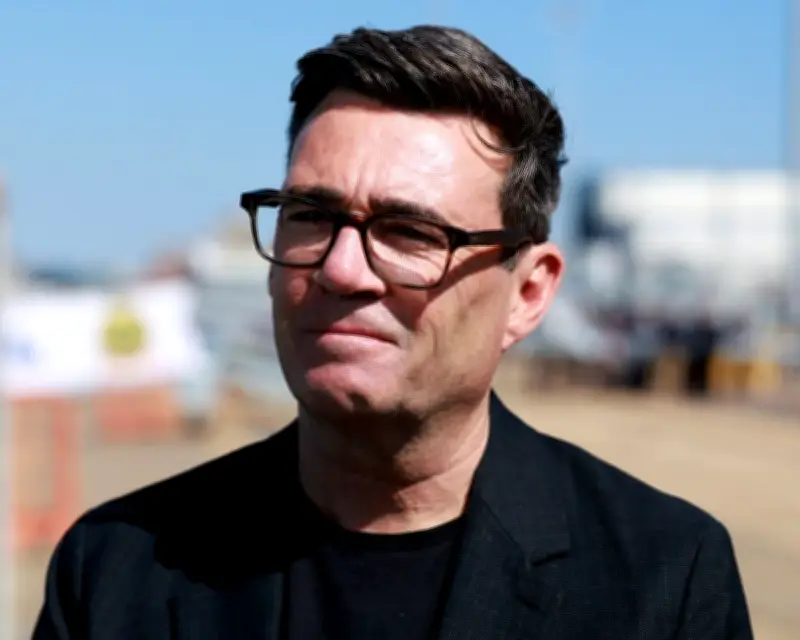
Andy Burnham has said the adult social care system in England is broken and needs fixing, a view commonly shared across the political spectrum. However, there are sharper differences on how to pay for reform to what is widely seen as an outdated, fragile system held together by 'sticking plasters and glue' and propped up by an unpaid carers.
Burnham's determination
Burnham previously headed an unsuccessful legislative attempt to reform English adult social care while secretary of state for health in 2010, which was brought low by Tory claims it would be funded through a 'death tax'. He acknowledges it could be a long and costly process but has said he won't flinch from big policy decisions and is prepared to 'expend a lot of political capital' on his ambitions.
Cost of reform
The cost depends on the design, scale and type of support offered. Currently, people with assets above £23,250 generally fund their own care, while those below may qualify for council support. One in seven people end up paying social care bills of more than £100,000, with some having to sell their home to meet the cost.
Reform options
Options include a universal NHS-style system, free personal care along Scottish lines, or a cap on care costs. An NHS-style free-at-point-of-use system would cost an estimated £18.5bn a year by 2035-36. Free personal care for over-65s in England would cost an extra £7.5bn by 2035-36, according to the Health Foundation thinktank. A lifetime cap on care costs, as proposed by the Dilnot commission and later by the Johnson government at £86,000 with a means-test floor of £100,000, was postponed then scrapped, costing an estimated £4bn a year by 2035-36.
Tax rises likely
Whichever option Burnham chooses is likely to involve significant extra government investment, most likely through increases in taxation, such as general taxation, wealth taxes, national insurance or compulsory social insurance.
Public and political support
Polling suggests the public does not understand adult social care or its funding, and it is lower on priority lists than issues like the cost of living or the NHS. According to the King's Fund thinktank, the public expresses low satisfaction but is open to the state providing a greater share of the cost. The Conservatives have said they support reform in principle but would refuse to back any tax rises. Liberal Democrat leader Ed Davey said he would work towards a consensus, adding 'everyone must get the care they need and no one should lose their home as a result'. Reform leader Nigel Farage opposes any care levy on assets after death, calling it a 'death tax'.




