
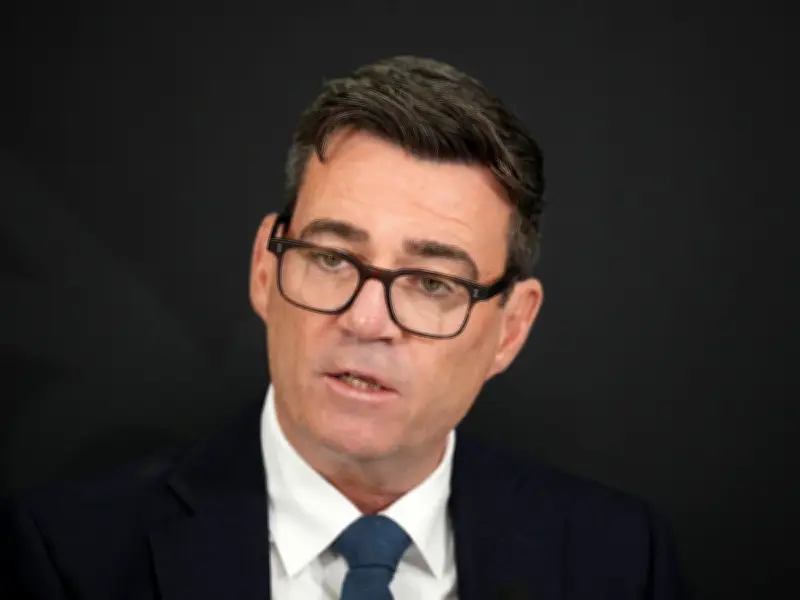
Prime Minister Andy Burnham will unveil plans next week to reform adult social care, which he says has been neglected by previous governments. On Monday, he told journalists that social care should be delivered on an NHS basis—free at the point of delivery and funded by some form of taxation.
Current System and Challenges
Unlike NHS care, social care is not free, and high costs often force people to sell their homes to pay for what they need. Those with savings worth more than £23,250 are not entitled to help from their local council. Mr Burnham said he was ready to use his political capital on the issue and that it would not be defensible to leave office without reforming social care.
However, he has yet to confirm how it will be funded. Labour, under Sir Keir Starmer, faced criticism after the 2024 election for scrapping plans for an £86,000 cap on personal care spending, arguing the proposals were not deliverable in the timeframe.
Funding and Cost Estimates
According to the Health Foundation, providing universal social care could cost an extra £18.4 billion, which would have to come from taxation. The Times reported that Mr Burnham's proposals are unlikely to cover daily living costs in care homes, such as laundry, food, accommodation, and energy bills, meaning residents may still face financially ruinous bills under a new National Care Service.
In 2021, at a fringe meeting, Mr Burnham suggested a 10% care levy on everyone's assets, savings, and homes, with a payment plan possibly agreed at age 65. He said: 'I don’t think you can say we are going to have a new system of social care without the older generation making a contribution to that. Because it’s a care levy and not an inheritance tax, it is linked to what you are getting… even if you don’t need care in your lifetime… you’re getting peace of mind, the peace of mind the NHS provides for you.'
Historical Context and Political Reactions
Leading with a care levy risks reigniting the infamous 'death tax' row from 2010, when Mr Burnham was Health Secretary and proposed a compulsory levy on estates to pay for free personal care at home. Andrew Lansley, then a Conservative, called it a 'death tax', which Mr Burnham dismissed as scaremongering.
A No 10 source said: 'Andy is going to run towards problems that have been neglected, giving people hope again. He has the courage to fix the most difficult issues that have been ignored for years and seen as impossible to resolve. He doesn’t accept that they are. They can’t be ignored any longer. The Prime Minister is determined to show that governments can make people’s lives better if they choose to.'
Recently, Mr Burnham acknowledged 'great resentment' towards inheritance tax, which is why he proposed a care levy instead. Inheritance tax is levied at 40% on estates worth over £325,000, though allowances can raise the threshold to £1 million. It is unclear if he will scrap this tax.
Pressure on Funding
Mr Burnham and his Chancellor John Healey are under pressure to say how they will pay for measures announced earlier this week, including a nationwide £2 cap on bus fares, scrapping VAT on electricity bills, and reducing business rates on pubs and music venues. The Resolution Foundation estimates these pledges will cost over £2 billion in 2029/30.




