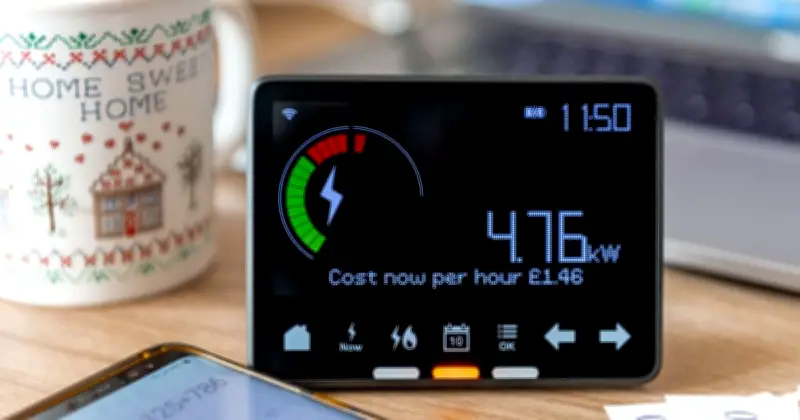
A British Gas engineer has identified electric showers, tumble dryers and ovens as the three biggest energy “guzzlers” in the home, warning that their use can have a noticeable impact on bills.
Hannah Folley, a Smart Energy Engineer at the UK energy and home services company, highlighted the appliances to be aware of in terms of energy consumption, while noting there are simple ways to make small savings that can add up in the long run.
Which appliances use the most energy?
“When it comes to the biggest energy guzzlers in the home, electric showers, tumble dryers and ovens are three appliances to keep an eye on,” she said. “They all need a lot of energy to generate heat, so how often and for how long you use them can have a noticeable impact on your bills.

“An electric shower can be particularly energy-hungry because it’s heating water on demand, while tumble dryers use a lot of electricity to generate the heat needed to dry clothes.
“Ovens are another big user, particularly when they’re used for long periods or to cook small amounts of food. The good news is that small changes can make a difference. Keep showers a little shorter, air-dry clothes where possible and, when using the oven, try to cook multiple things at once.”
Ofgem raises price cap for October
These simple habits can help reduce the amount of energy you use without changing the way you live at home. The advice comes as the regulator announced on Wednesday a 4% increase of the energy price cap for the period covering October 1 to December 31, 2026.
The watchdog explains that the cap “protects around 22 million households on default tariffs by limiting the maximum rates and standing charges that energy suppliers can charge” and is “updated every three months to reflect changes in the underlying costs of supplying energy”.
“The current price cap for a typical household paying by direct debit for gas and electricity is £1,663,” it added. “Based on the energy use of a typical domestic household, from October, the price cap will rise by £60 per year (or £5 per month) to £1,723 for the average household using both electricity and gas if this level was sustained for a year.”
It noted that approximately 35% of households are on fixed tariffs and won't be affected by the price cap increase. Ofgem says the October rise “reflects higher wholesale gas prices as a result of the ongoing conflict in the Middle East, with volatile global gas markets remaining the dominant driver of price changes”. “However, prices remain 52% below the height of the energy crisis in 2022 when the government stepped in to cap bills at £2,500,” it added.