
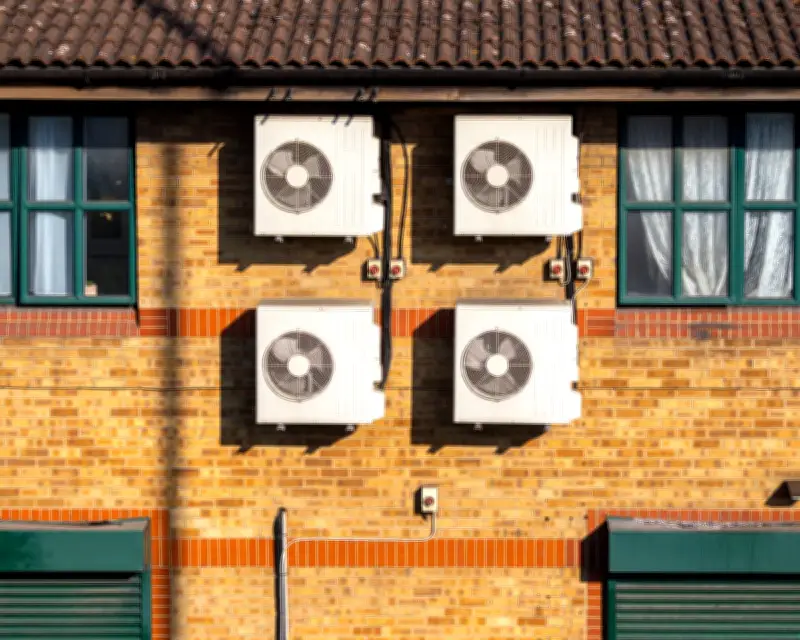
As global temperatures continue to climb, a growing number of homes across Britain are becoming dangerously hot, posing serious health risks and raising questions about the adequacy of current housing standards. The problem is particularly acute in urban areas and in properties built before modern insulation and ventilation requirements were introduced.
The Scale of the Problem
Many British homes, especially those in cities built during the Victorian era, were designed to retain heat. With summers now regularly bringing temperatures above 30°C, these same design features become a liability. Overheating can lead to heatstroke, exacerbate existing health conditions, and in extreme cases, prove fatal. The elderly and those with pre-existing medical conditions are most at risk.
Why Current Standards Fail
Building regulations have historically focused on keeping homes warm in winter, with little consideration for summer overheating. Energy efficiency measures, such as increased insulation and airtightness, can inadvertently trap heat indoors. While these measures are vital for reducing carbon emissions, they must be balanced with effective ventilation and shading strategies.
What Needs to Change
A new approach to housing policy is required, one that treats overheating as a serious risk alongside cold. This includes updating building regulations to mandate passive cooling measures, such as external shutters, reflective roofs, and green spaces. Retrofitting existing homes with these features should be a priority, supported by government grants or low-interest loans.
Urban planning also plays a role. More green spaces, tree cover, and water features can help reduce the urban heat island effect. New developments should be designed with climate resilience in mind, including orientation that minimizes solar gain and materials that absorb less heat.
Conclusion
The rising temperatures are not a distant future problem; they are already affecting the health and comfort of millions. Without decisive action, the number of heat-related deaths and hospitalizations will increase. It is time for policymakers, builders, and homeowners to recognize that the climate has changed, and our homes must change with it.




