In Brazil, football is not just a sport; it is the sun around which daily life orbits. This cultural centrality stands in stark contrast to the United States, where the World Cup atmosphere remains confined to stadiums and fan zones, reflecting football's limited traction in North American culture.
The difference is palpable for those who have experienced both. After following the Brazilian national team in North America, I returned to Brazil to witness the profound role football plays in our society. The national team at the World Cup is the center of our universe, triggering delirium, despair, and pride.
Football's Place in US vs Brazil
In the US, football competes with NFL, baseball, basketball, and the Olympics—sports with deeper historical roots. Data confirms that the World Cup is not the biggest event there. This practical reality was evident during my stay: turning on the TV, I struggled to find a game, unlike in Brazil where football dominates channels worldwide.

Brazil has other popular sports like volleyball, motor sport, and basketball, but none rival football. The rhythm of life in the "land of football" is dictated by the team's World Cup progress. Work schedules and public services adjust, and daily life reshapes around matches. As one saying goes, we "play catchup" afterward.
National Pride and Catharsis
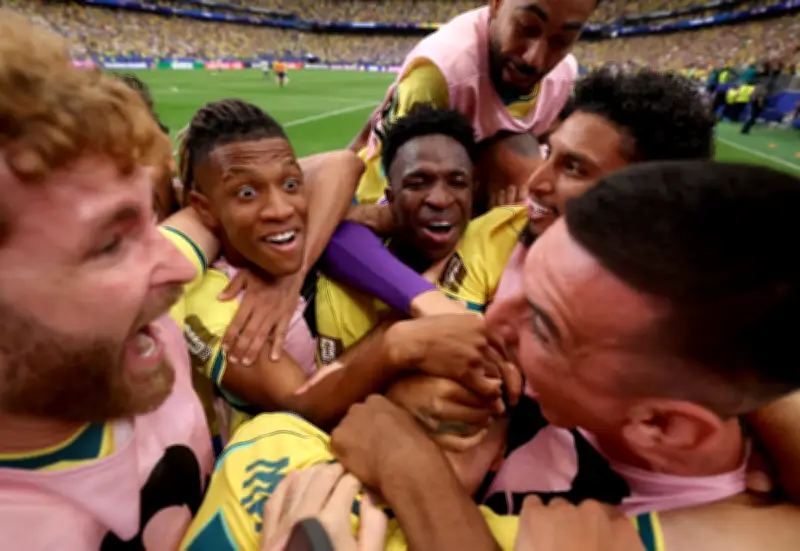
The World Cup offers hard-working Brazilians a chance to shout to the world: look what we can do. It is an opportunity to take pride in something we excel at—not just in our five victories, but in the intensity of our connection to the sport. Exciting football, played well, makes our eyes light up.
This year, after a draw against Morocco and group-stage wins over Haiti and Scotland, excitement ramped up for the Japan game and now Norway in the last 16 on Sunday. Huge parties and gatherings mark national team matches, but Brazilians also cherish high-quality games between other teams, such as Netherlands vs Japan, Ecuador vs Germany, Uruguay vs Spain, Portugal vs Croatia, France vs Sweden, and England vs Democratic Republic of the Congo.
Football as a Unifying Force
Brazilians love football and anyone who loves the sport. This passion runs deep across the country—from the capital to small villages with a few hundred inhabitants. Football is our sun, and everything else orbits around it.
A common conversation in Brazil goes: "Do you want to come to a concert/cinema/show tonight?" "Yes, sure, but can we make it after my team/the national team/any team have played?" When Brazil plays Norway, families gather around TVs or big screens to share the experience—young and old. Pre-match buildup features predictions from the nation's 200 million experts. The 90 minutes may even be extended by extra time or penalty shootouts to prolong excitement. Post-match banter starts at the final whistle with no set end time, especially if the match falls on a Saturday or holiday eve.
Conclusion
The World Cup in Brazil is a collective catharsis, a celebration of identity and excellence. It is not merely a tournament but a cultural phenomenon that unites the nation, contrasting sharply with the more fragmented sports landscape in the United States.