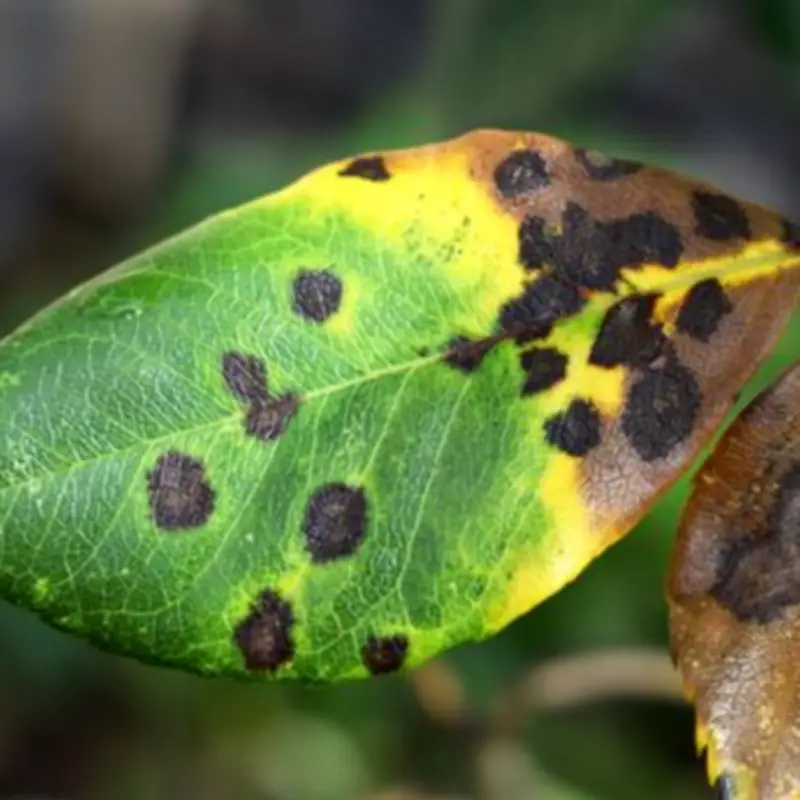
June marks the prime period for roses to flower, representing one of the most rewarding experiences in the gardening calendar. However, all gardeners who grow roses will recognise the feared black spot. Rose black spot is a fungal condition affecting roses where dark purple or black marks appear on the foliage, which frequently falls prematurely.
It is the most severe challenge most rose enthusiasts encounter. Triggered by a fungus, Diplocarpon rosae, black spot evolves remarkably rapidly to overcome the resistance developed into new rose varieties. Aaron, presenter of The Herefordshire Gardener YouTube channel, is a passionate advocate of David Austin Roses and has discovered several strategies to combat this horticultural threat.
Understanding How Black Spot Spreads
Aaron outlines that black spot propagates through tiny fungal spores, which can be splashed upwards onto rose plants when raindrops strike the earth. He explains: "For those spores to actually infect the leaf, the surface needs to stay wet for several hours."

Aaron suggests you should organise your garden to maximise air circulation, assisting leaves to dry rapidly, and ensure that there are not any dropped rose leaves scattered about on the surface. Raindrops striking those fallen leaves will propel those minuscule spores back upwards onto your developing plant, resulting in more black spot-affected leaves dropping prematurely and distributing spores on the earth.
Aaron continues: "If you don't interrupt that cycle, it just keeps repeating itself and you'll end up with a rose that's covered in black spot. Not a very pretty sight!"
Comprehensive Strategy to Combat Black Spot
Aaron recommends a comprehensive strategy to combat black spot. Positioning roses in your garden so there is adequate airflow to dry their foliage properly, alongside collecting any fallen leaves promptly, provides a solid foundation. When pruning his roses, he ensures he creates an open framework that encourages proper airflow across the foliage. "I'm also keen to space my roses and stagger them," he says. "Again, it just improves the air movement throughout the garden."
You should also make certain your roses receive sufficient feeding and watering. He adds: "You'll also come across other fungal diseases on roses such as powdery mildew and rust. They behave slightly differently, but the general principles are very similar: good air flow, good hygiene, and keeping your plants healthy."
Maximising June Blooms
To maximise your June roses and maintain their beautiful blooming throughout summer, you should deadhead any wilted or finished blooms to channel the plant's resources away from seed formation and towards fresh, vigorous flower stems. Supply your flowering roses with generous liquid feed while they are blooming to encourage spectacular flowers. Make sure to deliver sufficient water, particularly during dry periods, as drought poses the greatest risk to early summer blossoms.
Using Sulphur as a Preventative Treatment
One ingredient to spray on foliage Aaron adds: "One of the things I also use as part of that overall approach is sulphur." Sulphur Rose, widely accessible from garden centres and online shops, is the natural foe of black spot and powdery mildew. "Sulphur has been used in gardening for a very long time," Aaron explains. "What it does is to sit on the surface of the leaf and create an environment that fungal spores simply don't like. So rather than curing an infection, it works much more as a preventative, helping to reduce the chances of spores taking hold in the first place."
The product needs to be sprayed in a thin coating across every leaf, Aaron recommends. "What you're aiming for is a fine layer of sulphur particles sitting on the leaf surface, and that creates an environment that fungal spores struggle to survive in, helping to prevent infection," he adds. Preferably, you should begin spraying in early spring, just as fresh growth emerges. "I'll also use it when pruning," Aaron says, "applying it to the cut ends, which helps keep those cuts really clean and reduces the risk of dieback."

The product needs reapplying after rainfall, as it tends to wash away from the leaves during heavy showers. Do not spray during hot spells, but be prepared to resume once temperatures drop again. Aaron advises: "It's all about working with your roses and staying one step ahead of the conditions that the fungus needs."