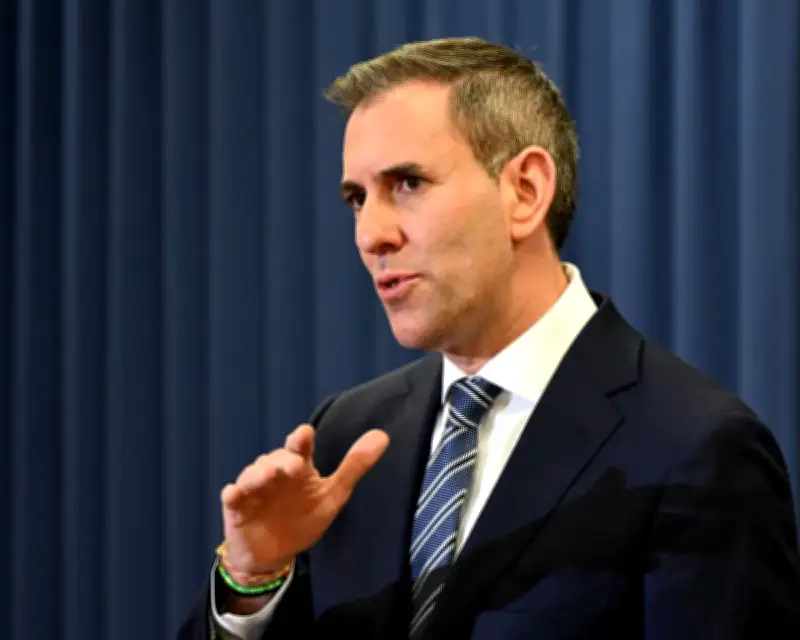
The Albanese government on Wednesday introduced into parliament rules that will place a minimum 30% tax on income received from discretionary trusts. Treasurer Jim Chalmers says the change will make the taxation system fairer and help fund tax cuts for workers.
What is a discretionary trust?
Discretionary trusts allow income earned from assets held by the trust – such as a business, property or shares – to be split between beneficiaries, often family members. The trustee can choose and change who receives what from the trust. In contrast, a "fixed" trust locks in who gets what, and this arrangement is exempt from the new rules.
The main benefit is to minimise tax by distributing income to beneficiaries – usually family members – who are in lower tax brackets. These could be children at university (at least 18) or a spouse with little or no taxable income. The second benefit is protection of assets from legal claims against beneficiaries.
Why is the change controversial?
More than 95% of taxpayers do not get any income from trusts, and those that do tend to be among the wealthiest. Putting a minimum 30% tax on discretionary trust income will raise an estimated $4.5bn in 2029-30, its first year of operation.
According to Treasury analysis, the tax rate for families with discretionary trusts in 2022-23 was on average 4 percentage points lower than families with similar incomes who did not use trusts. Most of the benefits provided by discretionary trusts go to the top 10% of families by income, according to Treasury analysis of 2022-23 tax data.
Under the proposed legislation, a minimum 30% tax will apply to income derived from discretionary trusts from mid-2028. Treasury says this "brings the tax outcome on income earned in a discretionary trust closer to wage and salary earners".
What are the concerns and amendments?
The Australian Chamber of Commerce and Industry claims nearly 240,000 small businesses will be affected, with restructuring costing each tens of thousands of dollars. Treasury estimates the number of affected small firms at around 210,000. The opposition has highlighted that compliance costs could run into billions of dollars.
Wednesday's bill expands options to "limit or eliminate restructuring costs for small businesses and others". Trustees can now choose to make fixed distributions to pre-nominated beneficiaries, avoiding the new minimum tax without a costly restructure. The government has also agreed to exempt donations from discretionary trusts to sporting and community groups.
An outstanding issue is that restructuring out of a trust will trigger stamp duty at the state or territory level. Chalmers said Treasury officials are talking to the states about how to waive stamp duty in this instance.
Will the legislation pass?
The Coalition opposes the changes. Shadow treasurer Tim Wilson said the impact on "cafes and tradies" and noted "near-record small business insolvencies, collapsing consumer confidence and real profits lower than at the change of government". Labor can pass the legislation with backing from the Greens, though Greens economics spokesperson Nick McKim criticised a "loophole" where the exemption for payments from discretionary trusts included private school fees. Ultimately, the Greens are unlikely to stand in the way of a change that makes the tax system more equitable.