The RSPCA has issued a critical warning to all UK dog owners, identifying nine vital symptoms of heatstroke as the Met Office red heat alerts cover much of the country. Heatstroke is one of the most dangerous heat-related emergencies for dogs, and early recognition can be life-saving.
Which Dogs Are Most at Risk?
According to the animal welfare charity, while any dog can suffer heatstroke, flat-faced breeds, elderly dogs, and overweight pets are particularly vulnerable. The RSPCA urges owners to act immediately if they notice their dog becoming unwell in hot weather.
Nine Key Symptoms to Watch For
The RSPCA has listed nine indicators that require urgent attention:

- Collapse – One of the most alarming signs. The RSPCA advises immediate veterinary care and cooling with cool (not ice-cold) water.
- Confusion or disorientation – Dehydration can affect movement and behaviour as the body struggles with rising temperatures.
- Dehydration – Symptoms include dry nose, sunken eyes, heavy panting, reduced urination, and unusual lethargy. Fresh water must always be available.
- Drooling – Heavier, thicker, or stickier drool than normal, especially alongside other overheating signs.
- Increased heart rate – A dog's pulse may accelerate. The RSPCA suggests monitoring by placing a hand on the chest behind the front leg, though heart rates vary by breed size.
- Muscle spasms – Shivering, trembling, or spasms can indicate worsening dehydration and heat cramps.
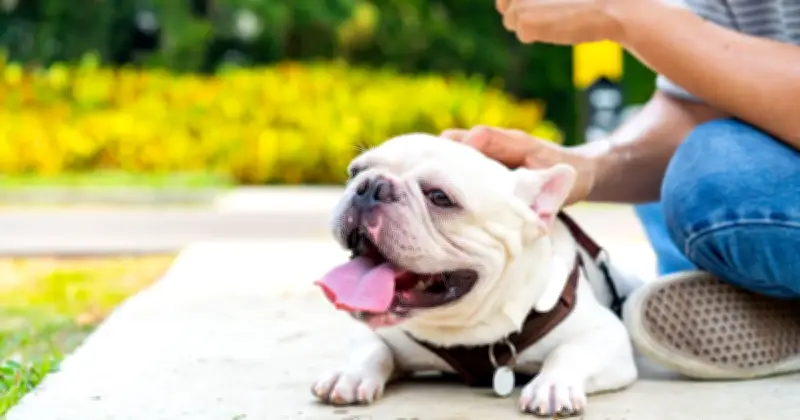
- Noisy breathing – Unusually loud or rapid breathing, particularly in flat-faced breeds. Research cited by the Royal Veterinary College shows brachycephalic dogs are far more prone to heatstroke due to inefficient panting.
- Panting – Excessive or prolonged panting is a key overheating sign. The British Veterinary Association warns heatstroke can develop rapidly, so persistent heavy panting should never be ignored.
- Red gums and tongue – Bright red gums or tongue, especially with heavy panting or laboured breathing, should never be dismissed if the dog has been in high temperatures.
What to Do If You Suspect Heatstroke
The RSPCA recommends moving the dog into shade immediately, offering cool fresh water if they can drink, and cooling them with cool (not ice-cold) water. Owners should then seek veterinary assistance without delay, as prompt treatment gives the best chance of full recovery.