
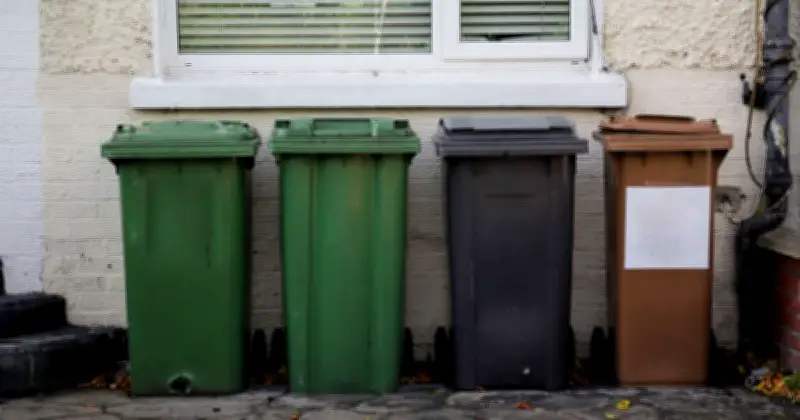
Despite years of recycling campaigns, England’s household recycling rate remains stuck at 43.7%, with recyclable waste still ending up in landfill due to contamination and common recycling mistakes. Many everyday household items look recyclable but actually belong in your general waste, according to experts.
Receipts
Graham Flynn, waste management expert and managing director of Anenta, said: “Many people assume receipts can be recycled with other paper, but most till receipts are printed on thermal paper, which contains chemicals that make them unsuitable for standard paper recycling.” Instead, place them in your general waste. If you are unsure, receipts with a shiny coating are usually thermal paper.
Pringles tubes
Although they look like cardboard, Pringle tubes are made from several layers of cardboard, plastic and metal that are difficult to separate during the recycling process. The expert said: “Check whether your local authority accepts them or whether there is a specialist recycling scheme in your area. Otherwise, they should go in your general waste. In some areas, you may be able to recycle the lids, so it’s worth checking this as well.”
Wrapping paper
Not all wrapping paper is recyclable, including glitter, foil finishes and metallic coatings. If you scrunch the paper into a ball and it stays scrunched, it is more likely to be recyclable. Foil, glitter and laminated paper should be popped into your general waste bin.
Disposable coffee cups
The expert said: “Despite looking like paper cups, most takeaway coffee cups contain a plastic lining that prevents them from being recycled through standard household collections. Use dedicated coffee cup recycling points where available or switch to a reusable cup.”
Black plastic food trays
Black plastic food trays used for ready meals and takeaways can still be difficult for some recycling facilities to identify using “optical sorting equipment”, according to the expert. This means they are not accepted everywhere. Check your local council’s guidance before placing them in your recycling bin.
Crisp packets
The waste management expert said: “Crisp packets and sweet wrappers are made from layers of plastic and foil that cannot usually be recycled through household collections. Take them to supermarket soft plastic recycling points where they are accepted.”
Toothpaste tubes
Most toothpaste tubes are made from a combination of plastic and aluminium, making them difficult to recycle through kerbside collections. Instead, look for specialist collection points at retailers or dental practices, or choose brands that offer recyclable packaging.
Tea bags
Although they look like paper, some tea bags contain small amounts of plastic used to seal the bag together, making them unsuitable for composting. Check whether your chosen tea bag brand uses plastic-free tea bags. Plastic-free versions can usually be composted along with the tea leaves.
Garden hoses
The expert said: “Garden hoses may be made from plastic, but they are not suitable for household recycling because they are manufactured from durable mixed plastics that cannot be processed alongside everyday plastic packaging.” If your hose is still usable, consider donating it or repurposing it around the garden. If it has reached the end of its life, check whether your local household recycling centre accepts it or dispose of it through your general waste if no recycling option is available.
Wet wipes
The expert said: “Many people assume wet wipes can be recycled because they look and feel like paper. In reality, the vast majority contain plastic fibres, meaning they cannot be recycled and should never be placed in your recycling bin. As well as contaminating recycling collections, wet wipes are one of the biggest causes of sewer blockages when they are flushed down the toilet, even if they are labelled as flushable.” Instead, place used wet wipes in the general waste, avoiding flushing them down the toilet or the recycling bin at all times.




