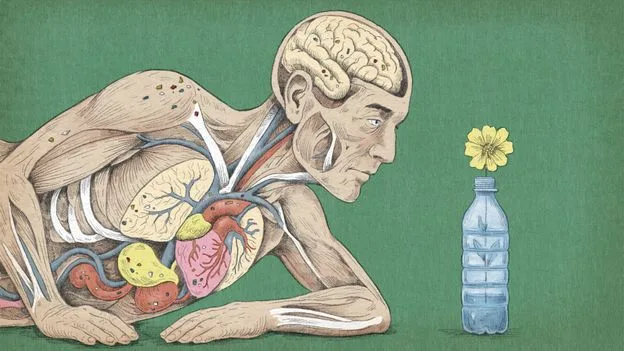
Microplastics have been found in nearly every part of the human body, from blood and breast milk to bones and the brain. However, scientists are still uncertain about the exact health risks they pose. A landmark study published in 2024 revealed that human consumption of microplastics has increased sixfold since 1990, particularly in hotspots such as the US, China, parts of the Middle East, North Africa and Scandinavia.
To better understand the effects, researchers at Imperial College London conducted the first 'human challenge trial' with microplastics in early 2025. Eight volunteers ingested a solution of microplastics, mimicking common exposure scenarios like dipping plastic tea bags in hot water or microwaving fluids in plastic containers. The trial, funded by the Minderoo Foundation, aims to track how many particles are absorbed across the gut and into the body. Results have not yet been published.
Dr Stephanie Wright, who led the trial, noted that many people are unknowingly performing this experiment daily. 'Heating and hot water are worst-case scenarios for plastic ingestion, facilitating the release of microplastics,' she said. The research builds on evidence from the world's longest-running agricultural experiments at Rothamsted Research in Hertfordshire, where soil samples dating back to 1843 show a clear increase in microplastics since the 1960s.