
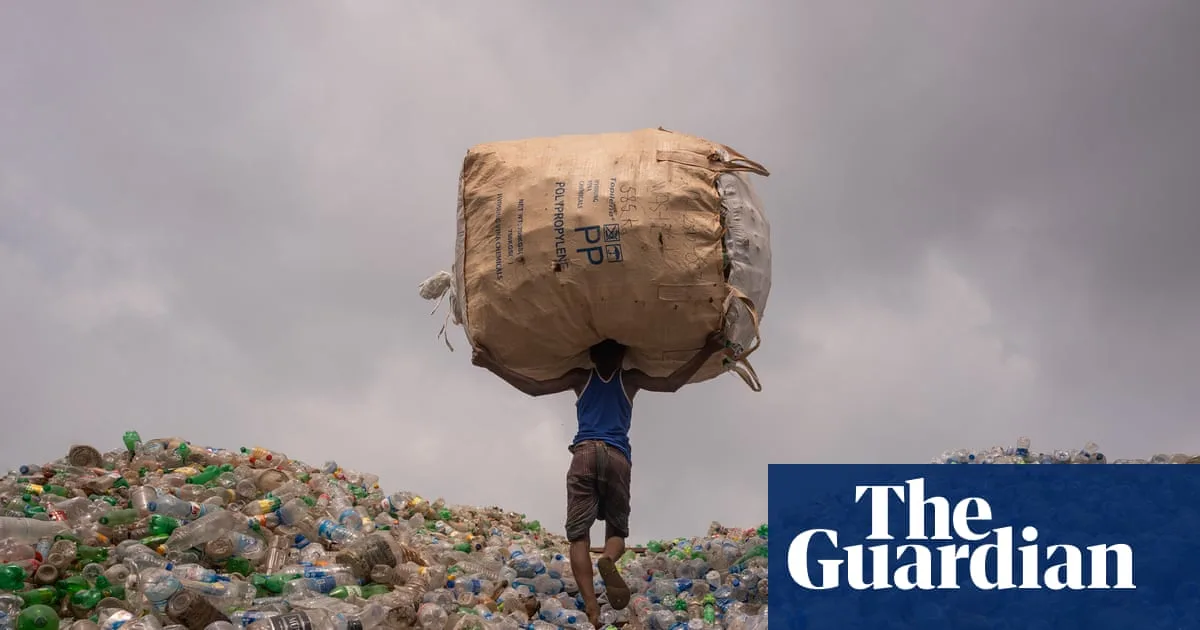
Plastics pose a 'grave, growing and under-recognised danger' to human and planetary health, a new expert review published in the Lancet has warned. The review concludes that the world is in a 'plastics crisis' causing disease and death from infancy to old age, with health-related damages costing at least $1.5tn (£1.1tn) annually.
Plastic production has surged more than 200-fold since 1950 and is projected to nearly triple again to over a billion tonnes per year by 2060. The fastest growth is in single-use plastics such as bottles and food containers. Less than 10% of plastic is recycled, and 8 billion tonnes now pollute the entire planet, from Mount Everest to the deepest ocean trenches.
The review highlights that plastics endanger health at every stage, from fossil fuel extraction to production, use, and disposal. This results in air pollution, toxic chemical exposure, and microplastic infiltration into the body. Microplastics have been found in blood, brains, breast milk, placentas, semen, and bone marrow. While their full health impact is unknown, they have been linked to strokes and heart attacks.
Foetuses, infants, and young children are especially vulnerable, with exposure linked to increased risks of miscarriage, premature birth, birth defects, impaired lung growth, childhood cancer, and later fertility problems. More than 16,000 chemicals are used in plastics, many associated with adverse health effects, yet there is little transparency about which chemicals are present.
The review comes ahead of final negotiations for a global plastics treaty. More than 100 countries support a cap on production, but petrostates like Saudi Arabia oppose it, arguing instead for recycling. The report states that 'the world cannot recycle its way out of the plastic pollution crisis,' as most plastics are made from fossil fuels and chemically complex. Plastic production also contributes to climate change, releasing over 2 billion tonnes of CO2 equivalent annually.




