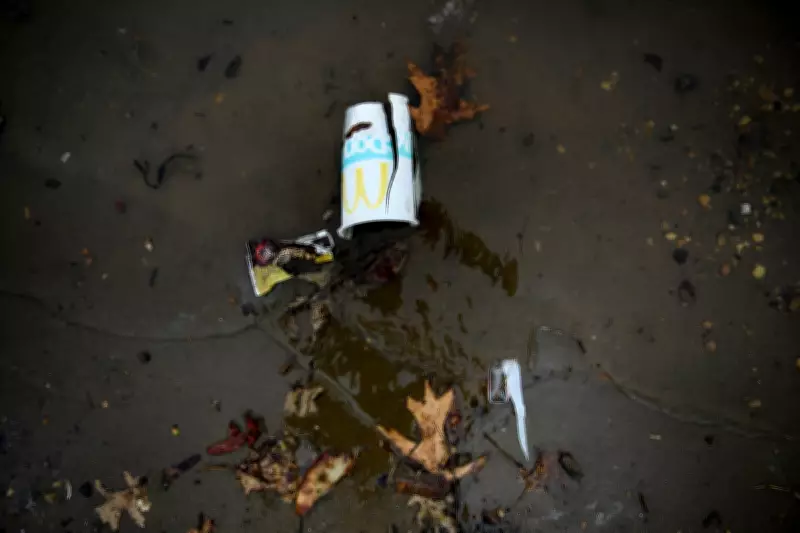
McDonald's Launches Probe into Mystery Sauce Bag Pollution on Canadian Coast
A perplexing environmental mystery has emerged along the scenic Bay of Fundy shoreline in Nova Scotia, Canada, where dozens of empty industrial-sized McDonald's condiment bags have been washing up over the past two years. The discovery, made by a vigilant local resident, has sparked concerns about plastic pollution and prompted an official investigation by McDonald's Canada.
Coastal Cleanup Uncovers Fast-Food Waste
Karen Jenner, a dedicated coastal cleaner who regularly tends to the area, has collected a total of 46 empty sauce bags designed for Big Mac and McChicken sandwiches. These large plastic bags are typically used to refill in-store dispensers at McDonald's outlets, not intended for consumer use. Jenner's persistent efforts over two years to report the issue to the company have finally led to action.
The bilingual labelling on the bags, featuring both English and French, strongly suggests the waste originated from within Canada's Maritime provinces, where such dual-language packaging is common. This detail has narrowed the focus of the investigation to local sources, raising questions about waste management practices in the region.

McDonald's Responds with Investigation
After Jenner's repeated attempts to contact them, McDonald's Canada has now launched a formal investigation into how these industrial condiment bags ended up polluting the coastline. The company stated it is taking the matter seriously and aims to identify any lapses in its waste disposal chain.
Jenner expressed hope that the probe will uncover what she calls the "broken link" in the process, potentially involving improper disposal by suppliers, transport issues, or store-level mishandling. She emphasised the importance of preventing further plastic pollution in the ecologically sensitive Bay of Fundy area.
Environmental Impact and Community Concerns
The incident highlights broader issues of plastic waste in coastal environments, with residents and environmentalists calling for stricter corporate accountability. The Bay of Fundy, known for its high tides and rich marine life, is particularly vulnerable to pollution, making this case a focal point for local conservation efforts.
McDonald's has faced similar scrutiny globally over plastic use, but this specific case of industrial packaging littering a shoreline is unusual. The investigation's findings could lead to changes in how the company manages its supply chain waste in Canada, potentially setting a precedent for other fast-food chains.
As the probe continues, community members like Jenner remain vigilant, continuing their cleanup efforts while awaiting answers. The outcome may not only solve this mystery but also drive improvements in corporate environmental practices to protect Canada's precious coastal ecosystems from future pollution incidents.