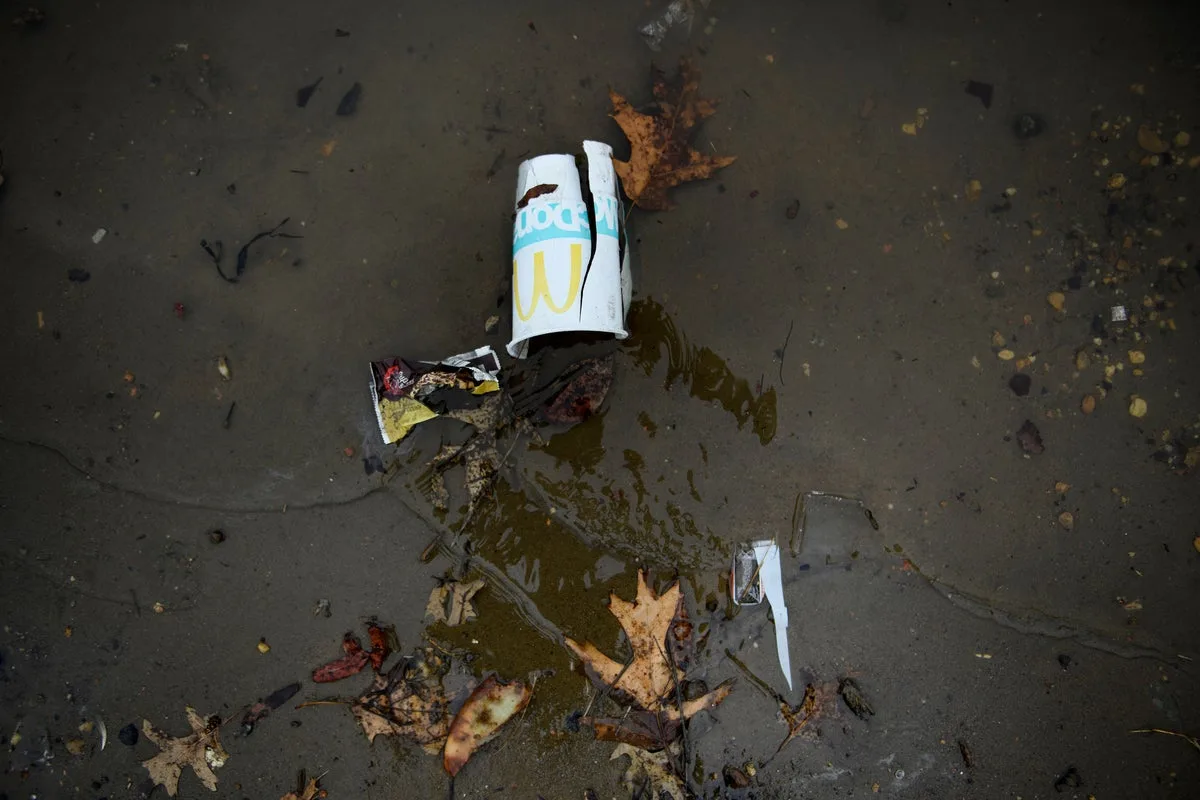
Canada's Coastline Mystery: Empty McDonald's Sauce Bags Wash Ashore
Empty McDonald's Sauce Bags Wash Up on Canadian Coast

Mysterious McDonald's Sauce Bags Litter Canadian Shoreline

Residents along the picturesque Bay of Fundy coastline in Nova Scotia have been left baffled by a peculiar environmental mystery. Over the past two years, empty industrial-sized condiment bags from McDonald's have been washing ashore, raising serious questions about waste management practices and corporate responsibility.

A Persistent Pollution Problem

Local resident Karen Jenner, who has dedicated eight years to cleaning the shoreline, has personally collected 46 empty sauce bags between Harbourville and Halls Harbour since 2024. These large plastic bags, typically used to refill sauce dispensers in McDonald's kitchens, have appeared sporadically but consistently along the coast.

The bilingual English and French labeling on the packaging strongly suggests the waste originated within Canada's Maritime provinces, rather than being international debris carried by ocean currents. This local origin makes the pollution particularly concerning for community members.

Wide Pickt banner — collaborative shopping lists app for Telegram, phone mockup with grocery list

Corporate Investigation Launched

McDonald's Canada has confirmed it is investigating how these industrial condiment bags ended up littering the Bay of Fundy shoreline. In a statement to CBC News, the fast-food giant acknowledged taking the reports seriously and working to determine the source of the litter.

Jenner reported that her attempts to contact the corporation about the issue spanned two years with limited success until a recent follow-up. "They said the messages never went through to the right people," she told CBC News. "I question that, but they are looking into it now, which I appreciate. It's disappointing that it's taken so long for that to happen though."

Environmental Concerns Mount

The discovery has prompted broader questions about McDonald's supply chain and environmental protocols. With 46 bags already documented, Jenner believes this represents more than isolated incidents.

"I think that's enough to indicate that there's a problem somewhere along the waste disposal line that McDonald's is using," she emphasized. The exact source remains unclear—whether from a specific restaurant franchise or a third-party waste disposal firm contracted by the corporation.

Jenner expressed hope that identifying what she called the "broken link" in the disposal process would prevent further plastic waste from reaching the sensitive Bay of Fundy ecosystem. The area's dramatic tides and rich marine life make proper waste management particularly crucial for environmental preservation.

As the investigation continues, local residents and environmental advocates await answers about how industrial food packaging from a major corporation ended up polluting one of Canada's most distinctive coastal regions.

Pickt after-article banner — collaborative shopping lists app with family illustration