UK's Marine Protected Areas: A National Scandal of Overfishing
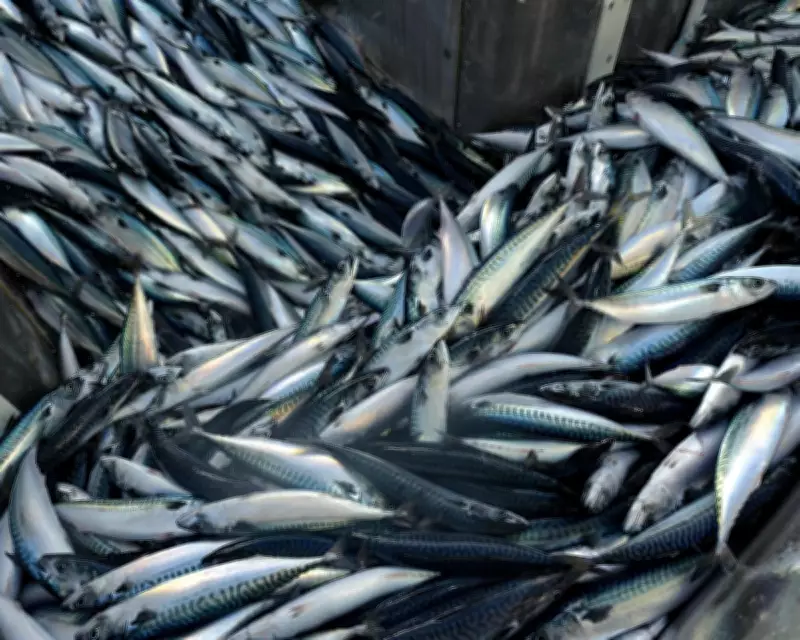
Massive pelagic trawlers are prowling some of the United Kingdom's most sensitive marine ecosystems, leading to perilous degrees of overfishing that threaten biodiversity. Last month, the supermarket chain Waitrose suspended sales of mackerel after warnings from the Marine Conservation Society that this species was at risk of population collapse, highlighting a broader crisis in UK waters.
Protected Only on Paper
Almost 40% of England's seas are designated as marine protected areas (MPAs), intended to safeguard rare, threatened, and important marine ecosystems from human activities. However, official figures reveal that in the four years leading up to 2024, trawlers using vast nets, including those that scour the seabed, caught more than 1.3 million tonnes of fish within these zones. Campaigners argue this shows the MPAs are "little more than lines on a map" and fail to provide real protection.
Chris Thorne, senior oceans campaigner at Greenpeace UK, stated: "The government claims vast areas of UK waters are protected, but the reality is a national scandal. Protection means nothing if these hulking industrial trawlers are allowed to devastate crucially important areas. MPAs should be safe havens where our incredible marine life and ecosystems can recover and thrive. Instead, they remain protected only on paper and precious ocean life is being pushed to the brink."

Critical Species at Risk
A report from last year identified several fish species at critically low levels due to overfishing, including North Sea cod, Celtic Sea cod, Irish Sea whiting, Irish Sea herring, and North Sea and east English Channel horse mackerel. Despite these warnings, fishing continues unabated, exacerbating the risk of ecological collapse.
Greenpeace UK's analysis of UK and EU fisheries data indicates that during the examined period, over 1 million tonnes of fish were caught by pelagic trawlers. These vessels deploy enormous nets up to 240 metres wide and 50 metres long, indiscriminately scooping up marine life. An additional 250,000 tonnes were harvested by bottom-towed gear, such as bottom trawlers, which drag heavy, destructive nets across the seabed, obliterating fragile marine ecosystems.
Ineffective Regulations and Delayed Action
Since the MPA system was established in the early 1980s, 78 areas around the UK's coast have been designated as protected. In 2020, new legislation granted the government powers to restrict fishing for conservation purposes in UK coastal waters. However, six years later, bylaws to ban bottom trawling remain in the consultation phase, allowing massive trawlers to continue operating in sensitive ecosystems despite major concerns about fish populations.
The Guardian inquired with the Department for the Environment, Food and Rural Affairs (Defra) regarding why trawlers are permitted to extract such large quantities of fish from supposedly protected areas and whether this undermines the designation's purpose. Defra had not responded by the time of publication, raising questions about regulatory enforcement and commitment to marine conservation.
This ongoing issue underscores a critical gap between policy and practice, threatening not only marine biodiversity but also the sustainability of UK fisheries and food security.