
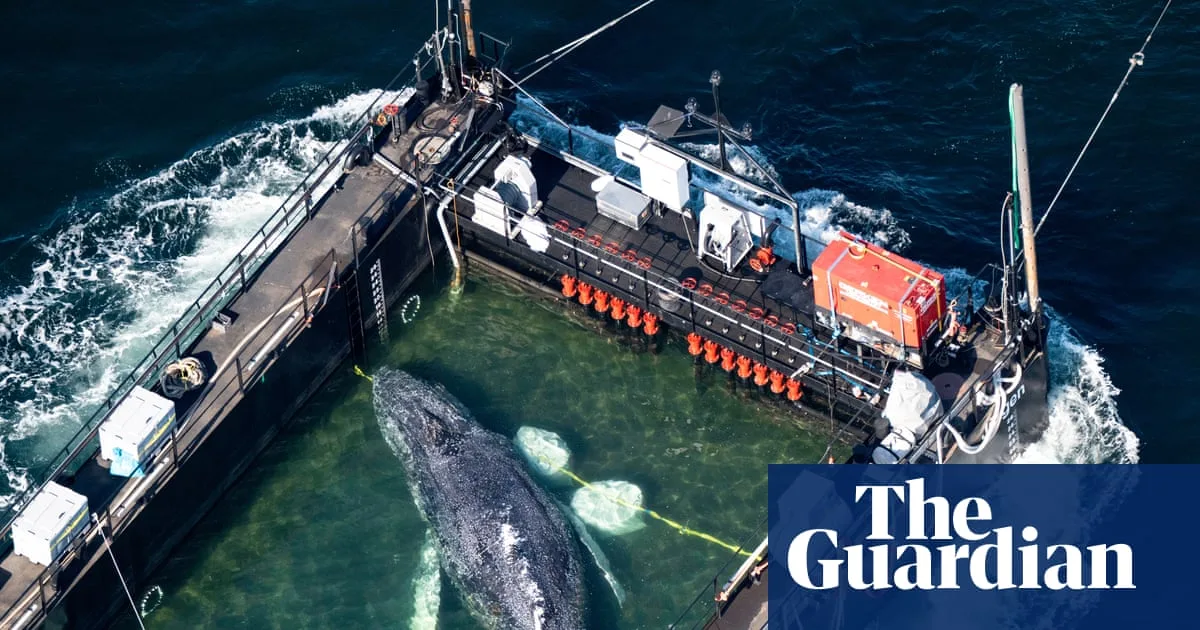
The fate of Timmy the whale, a young humpback that stranded repeatedly on the Baltic coast, appears sealed after a privately funded rescue mission ended in failure. The tracker designed to monitor his progress into deeper waters stopped working, and the animal is presumed dead. The operation, costing an estimated £1.3 million, was criticised by conservationists and scientists who had warned against it, with one describing it as “an all-round catastrophe”.
Timmy had been weak after multiple strandings and weeks in low-salinity water. Many experts argued that prolonging his life was cruel and that euthanasia would have been more humane. The public outcry, fuelled by social media, pressured authorities to act despite professional advice to the contrary.
Amy Dickman, professor of wildlife conservation at the University of Oxford, questioned the use of funds during a time of crisis for wildlife funding. “It is really questionable whether it was a good use of funds, particularly compared with issues that impact much greater numbers of whales, such as collisions with vessels and entanglements with fishing gear,” she said.
The International Fund for Animal Welfare noted that the case should “give us all pause”, highlighting the challenges of social media. “In complex cases like Timmy’s, the most compassionate choice is not always the most dramatic one,” the organisation stated. The case illustrates the tension between animal rights activism and conservation, where the best outcome for an ecosystem may differ from the desire to save a single animal.
Humpback whales have recovered well from historical hunting and are listed as least concern by the IUCN. Experts argue that the resources spent on Timmy could have had a greater impact on addressing broader threats such as climate breakdown and ocean pollution.




