Stranded Humpback Whale Weakens in Baltic Sea as Rescue Hopes Dim
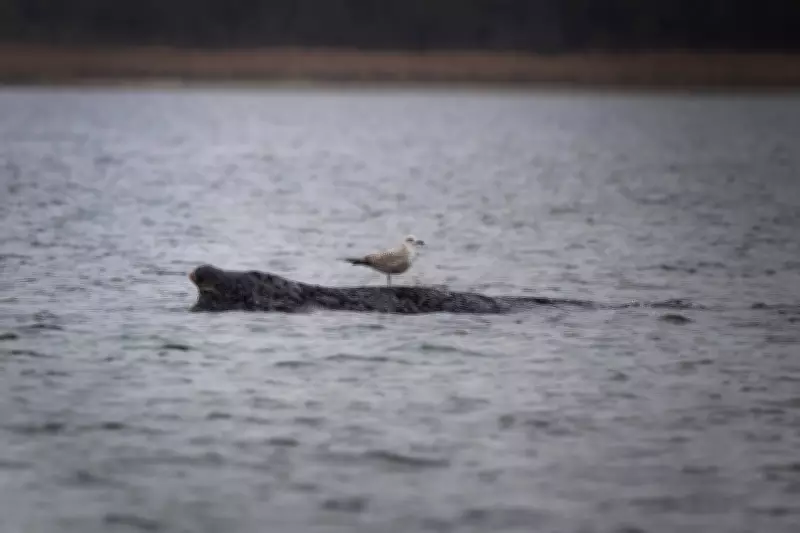
A stranded humpback whale in Germany's Baltic Sea is showing signs of significant weakness, with experts increasingly concerned that it will be unable to navigate its way back to the Atlantic Ocean. The marine mammal, which has captivated national attention, appears to be losing strength despite multiple rescue efforts conducted earlier this week.
Restricted Zone Enforced to Allow Recovery
Officials announced on Sunday that a 500-meter restricted area has been established around the whale near the eastern German coastal town of Wismar. This measure aims to provide the cetacean with undisturbed rest, hoping it might regain enough energy to free itself from the shallow waters. Till Backhaus, the environment minister of Mecklenburg-Pomerania, stated during a news conference, "He would be able to do so if he regains his strength, and that is why we decided to leave him alone, allowing him to actually set off and then successfully leave this area."
However, Backhaus added that the whale is likely sick and may have sustained injuries from contact with a fishing net, further complicating its condition. The humpback, measuring between 12 and 15 meters in length, has been the subject of intense rescue operations, including the use of an excavator and boats to create waves that might help it swim free from sandbanks at Timmendorfer Strand beach and Wismar Bay.

Diminishing Activity and Health Concerns
Recent observations indicate a troubling decline in the whale's vitality. Stefanie Groß from the Institute for Terrestrial and Aquatic Wildlife Research at the University of Veterinary Medicine Hannover reported, "It is very noticeable that the animal is showing significantly less activity. Its respiratory rate has dropped considerably. The animal is not moving. It did not react even when we drove closer."
The whale's predicament is exacerbated by the Baltic Sea's environment, which is unsuitable for long-term survival due to low salt concentration. It has already developed a skin disease, and while whales can endure weeks without food, the lack of appropriate nutrition in these waters poses another serious threat. For survival, the whale must traverse approximately 500 kilometers through German and Danish waters to reach the Atlantic via the North Sea.
Challenges of Navigation and Public Interest
Burkard Baschek, director of the German Maritime Museum in Stralsund, highlighted the navigational difficulties, noting, "When you consider how narrow the straits are and that there are still about 500 kilometers to go, you realize that it’s a real bottleneck you have to navigate, and naturally, the chances of success are relatively slim."
The whale, first spotted in the Baltic on March 3, became a national sensation as media outlets provided live updates and streaming video. Public engagement was high, with Germans exchanging text messages about the rescue efforts. Experts speculate that the whale may have entered the Baltic Sea while chasing a shoal of herring or during migration, with it likely being a male.
As hopes fade for a successful return to the Atlantic, the situation underscores the challenges of marine wildlife rescue and the delicate balance of ecosystems in confined sea areas.