Bristol's Gorillas Settle into New 'African Forest' Home After City Move
Bristol Gorillas Explore New Forest Home After City Move

Bristol's Gorillas Begin New Life in Expansive Woodland Habitat

In a significant transition for wildlife conservation, seven western lowland gorillas from Bristol have relocated to a new, expansive home at the Bristol Zoo Project, located five miles from their former city centre enclosure. The move, which occurred in February, has allowed the gorillas to explore a complex woodland environment designed to mimic an African forest, offering them a life among the trees for the first time.

A Complex Move and a Heartbreaking Loss

The relocation involved over 40 professionals, including keepers, veterinarians, and relocation experts, with an armed police escort ensuring safety. However, the transfer was marred by tragedy when Jock, a 42-year-old silverback and the oldest male gorilla in the UK, passed away ten days after the move due to an aortic dissection. Sarah Gedman, the project's curator of mammals, expressed pride in Jock's role in helping the troop adapt, noting his exploration provided reassurance during the settling-in period.

Exploring the New Enclosure

On a warm spring day, the gorillas were observed clambering up a horse chestnut tree as tall as a three-storey building, sampling hawthorn shoots, and scanning the ground for treats. Gedman highlighted that the new area is four and a half times larger than their previous home, with increased complexity. Hasani, a five-year-old male, was the first to dash into the new space, while adult female Touni showcased impressive climbing skills.

Wide Pickt banner — collaborative shopping lists app for Telegram, phone mockup with grocery list

Historical Context and Controversy

Bristol's connection with gorillas dates back to 1930, when a gorilla named Alfred arrived at the Clifton site. More recently, the troop lived on 'gorilla island' in Clifton until the site closed to the public in September 2022. The move has sparked debate, with critics arguing it was motivated by financial gains from selling the city site for housing, while the zoo maintains it provides a better environment for the animals. Demonstrations have occurred against development plans by property developer Acorn, with groups like the Save Bristol Gardens Alliance opposing the loss of cultural and environmental heritage.

Ethical Debates and Conservation Efforts

Organizations such as Born Free have raised ethical concerns, stating in a report that keeping great apes in zoos is not defensible and should be phased out. Chris Lewis, Born Free's captivity research and policy manager, acknowledged the new enclosure as an improvement but emphasized that captivity cannot meet the needs of such intelligent beings. In response, Justin Morris, chief executive of Bristol Zoo Project, defended the role of captive gorillas in coordinated breeding programmes for the critically endangered species, arguing they serve as insurance populations until wild threats are resolved.

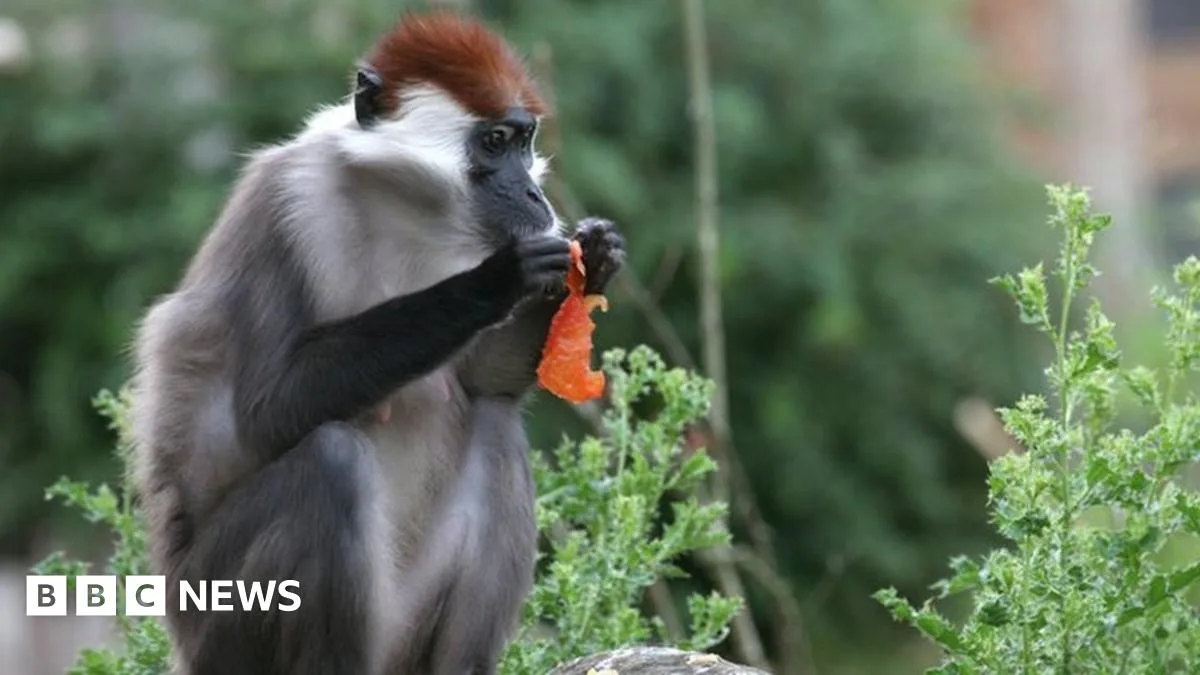
The gorillas, initially kept indoors to acclimate, have now been allowed outside, with media invited to view them on Monday and public access starting Wednesday. They will eventually share their enclosure with endangered cherry-crowned mangabeys and rescued African grey parrots, highlighting broader conservation efforts at the site.

Pickt after-article banner — collaborative shopping lists app with family illustration




