
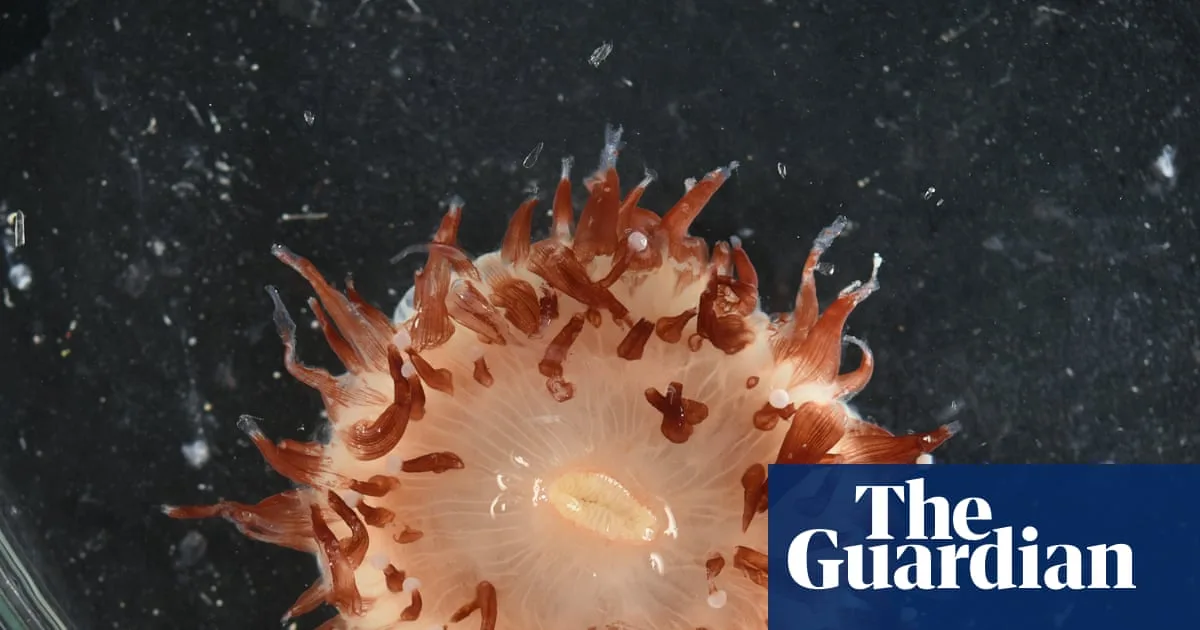
Marine scientists have identified more than 110 new fish and invertebrate species during an expedition in the Coral Sea, with the total expected to exceed 200 as further analysis continues. The discoveries were made in waters between 200 metres and 3km deep within the Coral Sea Marine Park, Australia’s largest marine protected area, which spans nearly one million square kilometres east of the Great Barrier Reef.
The 35-day voyage aboard CSIRO’s research vessel Investigator departed Brisbane last October and travelled as far as Mellish Reef, roughly 1,000km off the Queensland coast. The new-to-science species include brittlestars, crabs, sea anemones, sponges, and several types of sharks and rays.
Dr Will White, a shark expert and chief scientist on the voyage, identified four new species: a skate, a ray, a deepwater catshark, and a chimaera. The ray, a type of stingaree in the genus Urolophus, was found on the Kenn Plateau between Australia and New Caledonia. The deepwater catshark (genus Apristurus) is a tropical species with a dark, flabby body and many small teeth. The skate (genus Dipturus) has a long snout with a cartilaginous spine, while the new chimaera, or ghost shark, features a rat-like tail and a large spine above its dorsal fin.
Dr Claire Rowe of the Australian Museum noted that many invertebrates, including jellyfish and anemones, are cryptic and require genetic testing to confirm new species. She emphasised the importance of such expeditions, stating, 'It’s such an unexplored area, and with so many threats to our ocean, such as overfishing and climate change and deep sea mining, we need to understand what’s out there before it’s lost.'
The Coral Sea has warmed by nearly half a degree Celsius over the past 30 to 40 years, with sea surface temperatures reaching record highs last summer and calendar year. Specimens from the voyage are now housed in collections including the CSIRO, the Australian Museum, and state museums across the country.




