Highland Cows Forced Into Hiding After Social Media Frenzy Causes Distress
Highland Cows Hidden After Social Media Frenzy Causes Distress

Highland Cows Forced Into Hiding After Social Media Frenzy Causes Distress

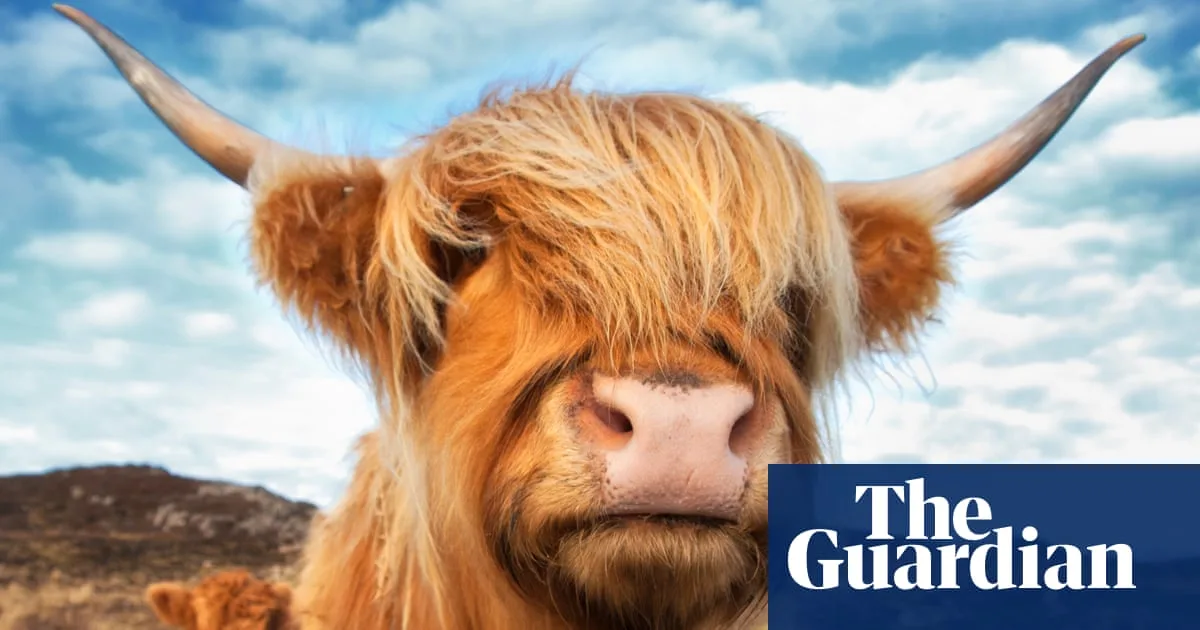
A herd of Highland cows, the iconic shaggy-coated breed native to Scotland, has been removed from public view at a nature reserve in Kent following a surge of disruptive attention driven by social media. The Kent Wildlife Trust made the difficult decision to hide the animals after visitors, inspired by viral TikTok videos, repeatedly attempted to take selfies and stroke the cattle, causing them significant distress.

The Unlikely Social Media Stars

Highland cows, with their distinctive long fringes and curved horns, have become unlikely celebrities online. Posts tagged with #highlandcow have reportedly reached millions of viewers, captivating the public with their rugged charm. This breed, known for its hardiness in the harsh Scottish climate for over a millennium, found an unexpected spotlight in the tranquil setting of Hothfield Heathlands nature reserve near Ashford.

The cattle were originally introduced to the reserve for conservation purposes, specifically to aid in habitat restoration through natural wild grazing. Their presence was intended to support the local ecosystem, not to become a tourist attraction. However, the power of social media quickly transformed the situation.

Wide Pickt banner — collaborative shopping lists app for Telegram, phone mockup with grocery list

When Popularity Turns Problematic

As videos of the cows spread across platforms like TikTok, a flood of visitors descended upon the reserve. Despite clear warnings from the Kent Wildlife Trust to maintain a distance of at least 10 metres, many ignored these guidelines. Visitors were seen trying to take selfies with the animals and even attempting to stroke them, actions that placed both the public and the cattle at risk.

In response, the trust issued a statement on its website: "We're sad to say we've made the decision to remove the cows at Hothfield Heathlands, at least for the time being. When under pressure, the cows can become distressed." The statement further warned that in worst-case scenarios, the frightened animals might react aggressively out of fear.

A Broader Pattern of Disruption

This incident is not an isolated case of social media fame causing harm to wildlife. It echoes previous situations, such as the global attention surrounding a baby pygmy hippo in 2024, which led to similar issues of harassment and overcrowding. For Highland cows specifically, this is not their first encounter with problematic popularity.

Earlier this year, in January, three individuals had to be rescued after getting lost while searching for viral Highland cattle on Butser Hill in Hampshire. That incident, occurring as darkness fell, highlighted the dangers that can arise when people venture into natural areas unprepared, driven by online trends.

Balancing Conservation and Public Interest

The removal of the cows raises important questions about how to manage public interest in wildlife within conservation areas. While engaging people with nature is a positive goal, it must be balanced against the welfare of the animals and the integrity of their habitats. The Kent Wildlife Trust's action underscores the need for respectful interaction with wildlife, emphasising that these creatures are not mere photo opportunities.

As the trust works to protect the herd, visitors are urged to remember: these animals deserve their space and peace. The hope is that, once the situation stabilises, the cows may return to their grazing duties, contributing to the reserve's ecological health without the pressures of unwanted fame.

Pickt after-article banner — collaborative shopping lists app with family illustration




