Jamestown at Risk from Rising Seas
Jamestown, Virginia, the site of the first permanent English settlement in the Americas, is under imminent threat from sea level rise, according to a new report. Scientists warn that the historic island could be partially submerged by 2050 and largely underwater by 2100 if current trends continue.
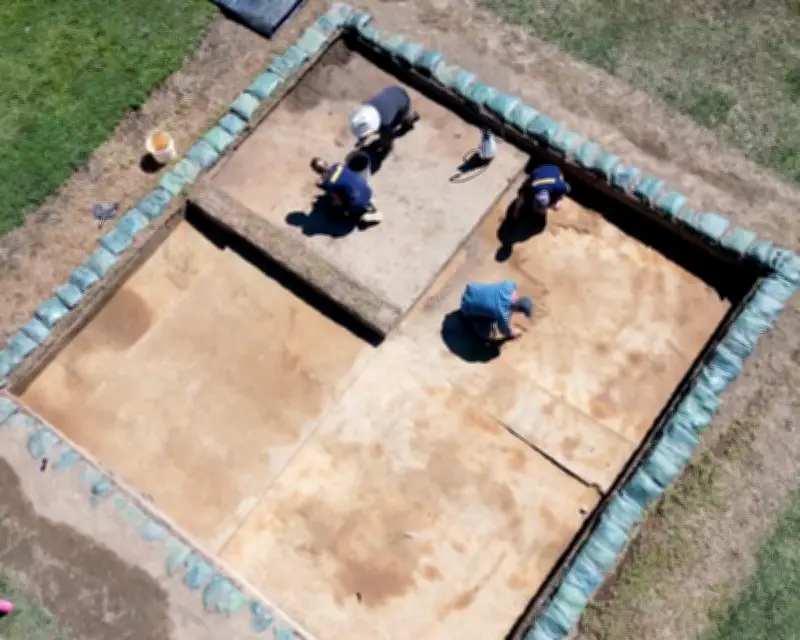
The Jamestown Rediscovery Foundation, which manages the site, has documented accelerated erosion and flooding. In the past decade, the James River has risen about 6 inches, exacerbating damage to archaeological remains. The foundation estimates that 80% of the original 1607 fort has already been lost to erosion.
Urgent Preservation Efforts Underway
In response, the foundation is implementing a $10 million plan to reinforce the shoreline with sea walls and elevate structures. However, experts say these measures are temporary. According to Dr. Sarah Miller, a coastal geologist at the University of Virginia, 'Even with mitigation, Jamestown's long-term survival is uncertain without global emissions reductions.'

The site attracts over 400,000 visitors annually and is a UNESCO World Heritage candidate. The National Park Service is also developing a climate adaptation strategy for nearby Colonial National Historical Park.
Broader Implications for Coastal Heritage
Jamestown's plight mirrors that of other historic coastal sites worldwide. The report, published in the Journal of Coastal Research, highlights that 40% of UNESCO World Heritage sites along coastlines are at risk from sea level rise. 'Jamestown is a canary in the coal mine,' said lead author Dr. James Thompson. 'We must act now to preserve our shared history.'