
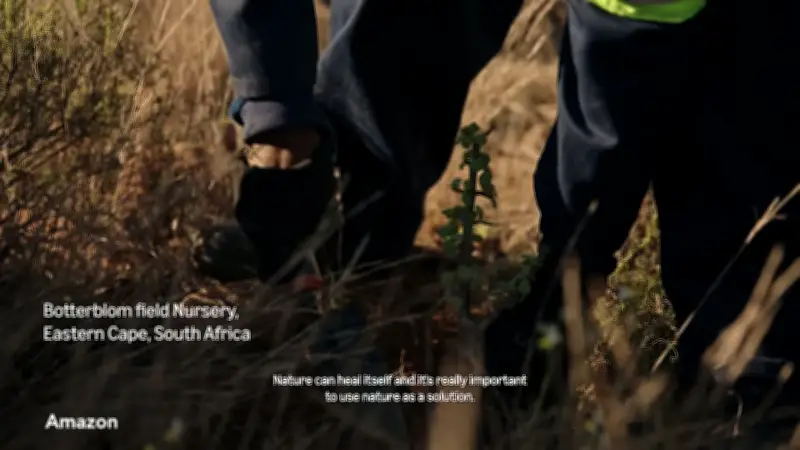
Amazon is funding one of the world's largest nature-based carbon removal projects, planting 180 million spekboom shrubs across approximately 200 square miles of degraded land in South Africa's Eastern Cape – an area roughly twice the size of Birmingham. The initiative is part of Amazon's commitment to reach net-zero carbon by 2040.
Why spekboom?
Spekboom, also known as elephant bush, was chosen for its resilience in dry, harsh conditions. It helps restore moisture, improve soil health, and revive wildlife. By absorbing carbon dioxide from the atmosphere and storing it in leaves and roots, it acts as a natural carbon sink, reducing greenhouse gases and combating climate change. As it grows, it creates conditions for other native plants to return, rebuilding the entire ecosystem.
Project details and timeline
The land in the Eastern Cape has been badly degraded by past use, leaving it dry, eroded, and difficult for local communities to earn a living. Amazon is collaborating with the World Bank and other financial organisations to complete the planting by the end of 2028.
Kara Hurst, Amazon’s chief sustainability officer, said: “This is a story about nature, community, ingenuity, and scale. Spekboom is a natural wonder, but it can’t heal the land without help from the people who call the Eastern Cape home. This project will restore the ecosystem and create jobs - a model for how nature-based solutions can enable both climate action and economic development.”
Community and economic impact
The project aims to create approximately 11,000 jobs by 2030 and will train local businesses to carry out restoration work. This investment is a long-term purchase agreement for carbon credits, supporting emerging carbon removal solutions. It represents one of the largest private-sector commitments to nature-based restoration in South Africa's history.




